Kisan Credit Card Latest Update 2026: Access, Eligibility,

The Kisan Credit Card (KCC) scheme continues to be a vital financial lifeline for Indian farmers in 2026, offering affordable credit for their agricultural needs. Unlike schemes like PM Kisan which provide direct income support installments, the KCC is a loan facility. This update clarifies the key aspects farmers need to understand about accessing, managing, and checking the status of their KCC accounts in 2026, focusing on how these loans function rather than direct “installments” paid to beneficiaries. Farmers should actively review their eligibility and application status to ensure continuous access to crucial farming credit.
Kisan Credit Card Loan Status in 2026: What Farmers Need to Know
For 2026, the government’s focus remains on expanding the reach of the Kisan Credit Card scheme to more eligible farmers, ensuring timely and adequate credit. While there isn’t an “installment date” for payments to farmers under KCC (as it’s a loan, not a direct benefit transfer), updates often pertain to policy changes, interest subvention continuity, and streamlined application processes. Farmers should anticipate continued efforts by banks and financial institutions to digitize KCC applications and account management, making it easier to monitor their loan status and repayment obligations.
A significant development expected in 2026 is the potential for further integration of KCC with other farmer welfare schemes, particularly PM Kisan. This linkage aims to simplify the application process for PM Kisan beneficiaries, allowing them easier access to KCC loans. While the Union Budget 2026 sources primarily discussed PM Kisan installment amounts, the underlying intent is often to strengthen overall farmer support, which implicitly includes better access to credit through KCC.
Key Benefits of Kisan Credit Card for Farmers
The Kisan Credit Card scheme offers numerous advantages, designed to meet the short-term credit requirements for cultivation and other farming activities. These benefits continue to be the cornerstone of the scheme in 2026:
- Flexible Credit: Provides timely and hassle-free credit to farmers for agricultural inputs like seeds, fertilizers, and pesticides.
- Low Interest Rates: Features an attractive interest rate of 4% per annum for prompt repayers, thanks to interest subvention by the government.
- Collateral-Free Loans: Farmers can avail Kisan Credit Card loans up to Rs 1.60 lakh without collateral. This limit was previously raised by RBI to ease access for small and marginal farmers. For more details on this, refer to our guide on Kisan Credit Card: RBI Raises Collateral-Free Loan Limit.
- Coverage for Allied Activities: Extends credit for allied agricultural activities like animal husbandry and fisheries, not just crop cultivation.
- Insurance Coverage: KCC holders are typically covered under Personal Accident Insurance and Pradhan Mantri Fasal Bima Yojana (PMFBY).
How to Check Your Kisan Credit Card Application and Loan Status
Checking the status of your Kisan Credit Card application or existing loan account is crucial. While a unified “KCC status check” portal might not exist for all banks, here are the general ways farmers can track their KCC:
- Bank Branch Visit: The most direct method is to visit the bank branch where you applied or hold your KCC account. Bank officials can provide the latest status.
- Online Banking/Mobile App: Many leading banks offer KCC account details through their online banking portals or mobile applications. You can often view your sanctioned limit, outstanding balance, and repayment due dates.
- Customer Care: Contact your bank’s customer care helpline. Be ready with your application reference number or KCC account number.
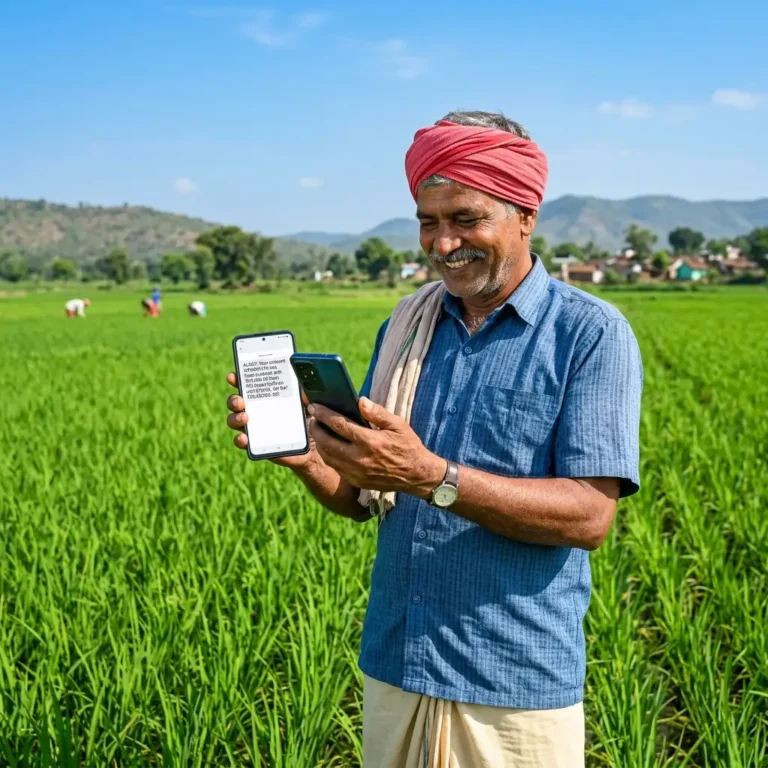
- SMS Services: Some banks provide SMS alerts for transactions and account status. Check if your bank offers this facility.
For new applications, tracking can sometimes be done through the common service centers (CSCs) where you might have submitted your application.
Addressing Common Issues: Why KCC Loan Disbursal May Be Delayed
Several factors can lead to delays in Kisan Credit Card loan disbursal or approval. Understanding these can help farmers proactively address potential issues:
- Incomplete Application: Missing documents or incorrect information in the application form is a primary reason for delay. Ensure all details are accurate as per the Kisan Credit Card Scheme: Eligibility & Application Guide.
- Land Verification Issues: Discrepancies in land records or delays in verification by revenue authorities can hold up the process.
- CIBIL Score: A poor credit history or low CIBIL score can affect loan approval.
- Pending Dues: Existing outstanding loans with the same or other financial institutions might impact the new KCC application.
- Bank Processing Times: Internal bank processing queues can sometimes lead to delays, especially during peak farming seasons.
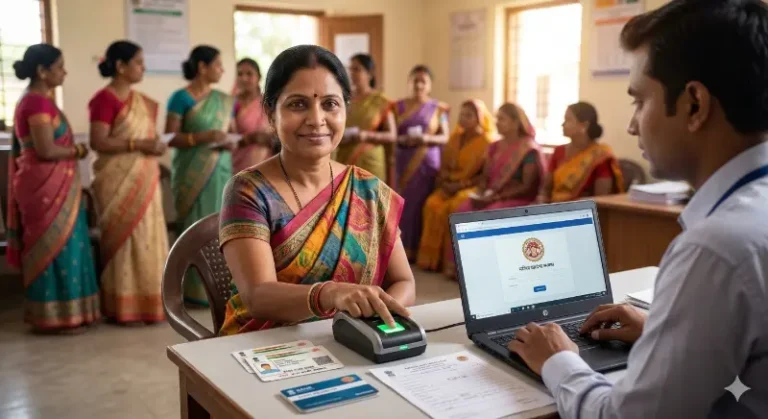
- eKYC and Document Verification: Though efforts are ongoing to simplify this, incomplete or failed eKYC can cause setbacks.
If you face persistent delays, follow up regularly with your bank branch and ensure all required documentation, including land records and identity proofs, are up-to-date.
Kisan Portal Analysis: Navigating Credit for Modern Agriculture
The Kisan Credit Card scheme, while foundational, is increasingly being viewed as a stepping stone. As noted by former CM Shivraj Singh Chouhan (Source 5), KCC alone might be “insufficient for modern, high-value agriculture.” This indicates a growing recognition that while KCC provides essential working capital, farmers engaging in advanced techniques, mechanization, or diversification require more comprehensive financial solutions. For 2026, we anticipate continued government and banking sector efforts to enhance KCC by integrating it with larger investment loans and facilitating access to technology-driven solutions, possibly through dedicated platforms like the Kisan Portal. Farmers should look beyond basic KCC loans and explore how this credit can be leveraged for sustainable growth and technological adoption. For broader agricultural support, farmers can also check their PM Kisan Status Check 2026: List & Payment Update to ensure they are receiving all eligible government benefits.
What Farmers Should Do Next
To ensure smooth access to Kisan Credit Card benefits in 2026, farmers are advised to:
- Review Eligibility: Regularly check the latest eligibility criteria for KCC as outlined by their bank or government notifications.
- Keep Documents Ready: Maintain updated land records, Aadhaar card, PAN card, and bank account details.
- Apply or Renew Timely: If you haven’t applied yet or your KCC is due for renewal, initiate the process well in advance of the farming season.
- Monitor Account: Keep a close eye on your KCC loan account status, outstanding balance, and repayment due dates to avoid penalties and maintain a good credit score.
- Link with PM Kisan: If you are a PM Kisan beneficiary, inquire at your bank about expedited KCC application processes often available for you.
For more information, visit the official Kisan Credit Card page on the Department of Agriculture, Cooperation & Farmers Welfare website: official website.
Frequently Asked Questions
Is there a Kisan Credit Card installment paid to farmers in 2026?
No, the Kisan Credit Card (KCC) is a loan facility, not a direct income support scheme. Therefore, there are no ‘installments’ paid *to* farmers under KCC like with PM Kisan. Farmers *repay* their KCC loans, usually annually, and the scheme aims to provide credit for agricultural needs at low interest rates.
How do I check my Kisan Credit Card application status?
You can check your Kisan Credit Card application status by visiting the bank branch where you applied, utilizing your bank’s online banking portal or mobile app, or contacting their customer care. Always have your application reference number or KCC account details ready for quicker assistance.
What is the maximum loan amount I can get under Kisan Credit Card without collateral?
Farmers can avail Kisan Credit Card loans up to Rs 1.60 lakh without the need for collateral. For loan amounts exceeding this limit, banks may require collateral, depending on their policies and the farmer’s creditworthiness. The government provides interest subvention to make these loans affordable.
What should I do if my Kisan Credit Card loan disbursal is delayed?
If your KCC loan disbursal is delayed, first re-check your application for any incomplete information or missing documents. Follow up regularly with your bank branch to understand the specific reason for the delay. Ensure your land records and identity proofs are updated and match your application details. Addressing these issues promptly can help expedite the process.