Agriculture: India’s Food Inflation Drives Retail Inflation

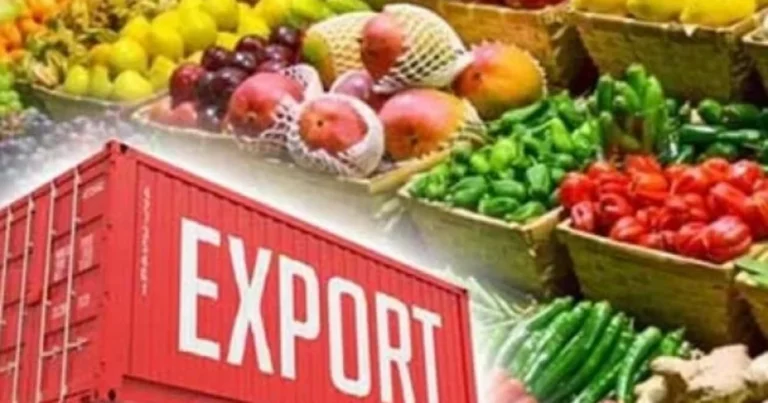
India’s retail inflation edged up to 3.2% in February from 2.7% in January, primarily due to a significant rise in food inflation. This increase, largely driven by higher prices of key agriculture commodities like vegetables, fruits, and oils, signals a crucial development for farmers and consumers alike. While the overall inflation remains within the Reserve Bank of India’s target, understanding these trends is vital for farmers to plan their input costs, crop choices, and market strategies.
India’s Food Inflation: A Deep Dive into Agriculture Prices
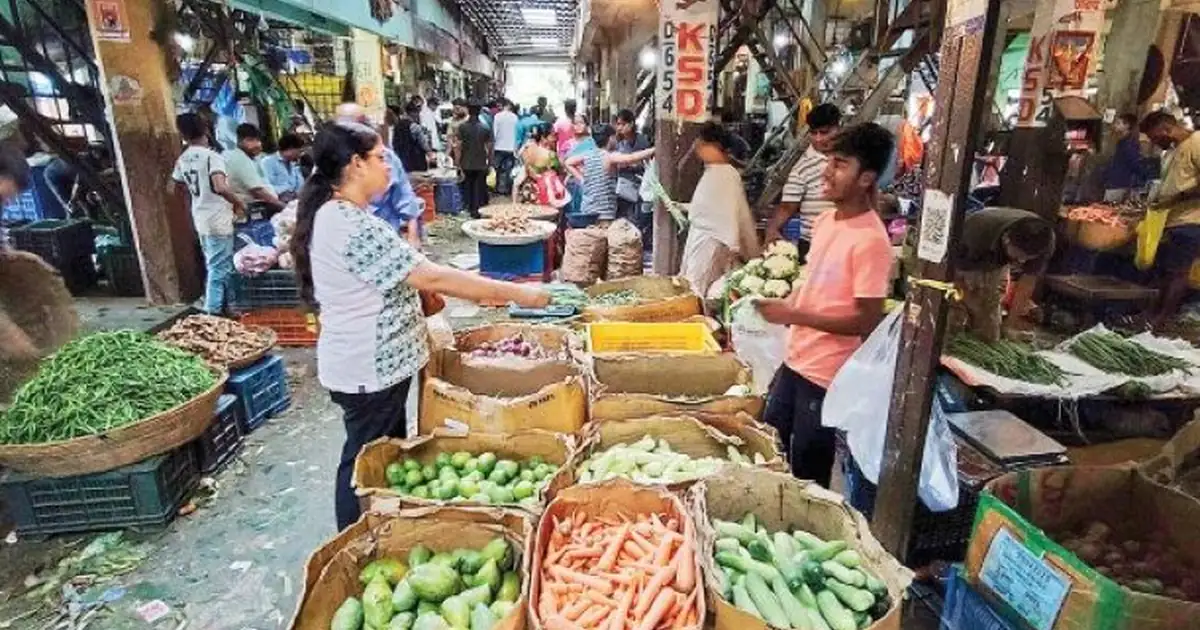
Official data shows that food inflation accelerated to approximately 3.5% in February, a noticeable jump from 2.1% in January. This surge was primarily driven by:
- Vegetables and Fruits: Seasonal variations and supply chain pressures often impact these perishable goods.
- Oils and Fats: Global commodity price trends can heavily influence this category.
- Nuts and Ready-made Food Items: These also contributed to the overall increase.
Despite this recent uptick, food prices have generally been on a normalising trend compared to the higher levels experienced earlier in the fiscal year. On a cumulative basis, retail inflation averaged 1.9% from April to February, indicating relatively subdued price pressures for most of the current fiscal year.
Understanding Core Inflation and the New CPI Series
It’s important to differentiate overall inflation from core inflation, which excludes volatile components like food, beverages, and fuel. Core inflation remained broadly stable at 3.4% in February. When precious metals and stones are also excluded, core inflation was even lower at 1.9%, suggesting that underlying demand pressures in the broader economy remain contained, unlike the specific pressures seen in the food sector.
The February inflation figures are also based on the new Consumer Price Index (CPI) series, introduced earlier this year. Key changes include:
- Base Year Revision: The base year has been revised from 2012 to 2024.
- Expanded Consumption Basket: The number of items in the basket increased from 299 to 358.
- Reduced Food Weight: The weight of food items in the index has been reduced to below 40% (from about 45%), which theoretically reduces the direct impact of food prices on headline inflation. However, the current data shows food prices are still a significant driver.
What This Means for Farmers and Future Agriculture Trends
The rising food inflation, primarily stemming from agriculture produce, presents a mixed picture for farmers. While higher selling prices for certain commodities might seem beneficial, farmers also face increasing input costs (fuel, fertilisers, labour) which are often influenced by broader inflationary trends. Schemes like the Pradhan Mantri Fasal Bima Yojana (PMFBY) can offer some protection against yield losses, but managing price volatility remains a key challenge.
Potential Future Risks for Agriculture Prices
Several factors could influence future price trends for agriculture commodities:
- Global Oil Prices: Increases in crude oil prices can raise transportation costs and the cost of fertilisers.
- LPG Price Hikes: Impacts household budgets and the cost of living for rural families.
- Heat Waves: Can adversely affect crop yields and quality, leading to supply shortages and higher prices.
- Potential El Niño: This weather phenomenon often brings drought conditions to parts of India, posing a significant risk to agricultural output and further pushing food prices. Farmers relying on financial support may find the Kisan Credit Card scheme helpful in managing these unforeseen challenges.
Kisan Portal Analysis: Navigating Price Volatility
The current inflation data highlights the persistent sensitivity of India’s retail inflation to food prices, despite structural adjustments like the new CPI series. For farmers, this means continued vigilance regarding market demand and supply dynamics. While some farmers might benefit from higher prices for their produce, the overall cost of living and production is also rising. Strategic planning, leveraging government schemes for support, and adopting resilient farming practices are more critical than ever to navigate these volatile market conditions effectively.
Staying Informed and Preparing for Market Shifts
As the agriculture sector continues to evolve, staying informed about economic indicators like inflation is crucial. Farmers should monitor local market trends, weather forecasts, and government advisories to make timely decisions. Proactive engagement with market information can help mitigate risks and capitalise on potential opportunities amidst changing price landscapes.
Frequently Asked Questions
What caused India’s retail inflation to rise in February?
India’s retail inflation rose to 3.2% in February, primarily driven by higher food inflation, which reached 3.5%. Key contributors were increased prices of vegetables, fruits, oils and fats, and ready-made food items within the agriculture sector.
How does rising food inflation impact farmers?
While higher prices for their produce might seem beneficial, farmers often face increased input costs for fuel, fertilisers, and labour due to overall inflation. This can squeeze their profit margins, making it challenging to maintain income despite higher selling prices.
What are the potential future risks to agriculture prices in India?
Future risks include rising global oil prices impacting transport and fertiliser costs, LPG price hikes, severe heat waves affecting crop yields, and the potential for an El Niño event which could bring drought conditions and reduce agricultural output.
What is the new CPI series and how does it affect inflation data?
The new CPI series, introduced recently, revises the base year to 2024 from 2012 and expands the consumption basket. It also reduces the weight of food items in the index to below 40%, aiming to slightly lessen the direct impact of food price changes on headline inflation figures.