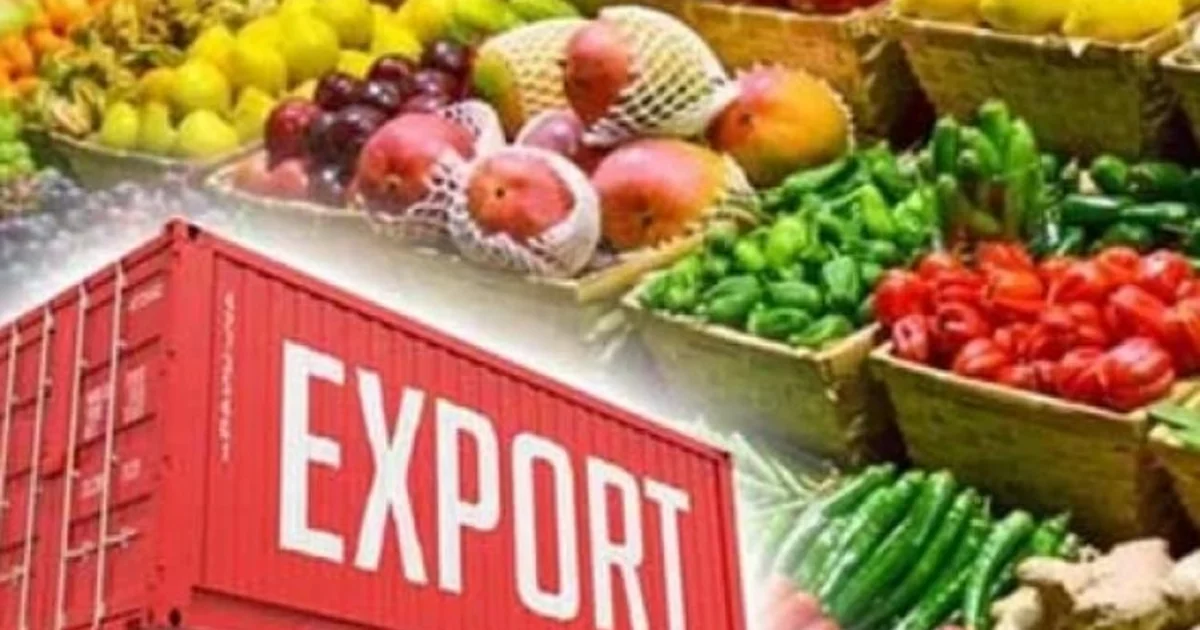
West Asia Conflict Threatens India’s Agriculture Exports

The ongoing conflict in West Asia poses a significant threat to India’s agriculture sector, putting an estimated $11.8 billion of agricultural and food product exports at risk. This disruption directly impacts Indian farmers, food processors, and exporters who rely heavily on Gulf markets. The primary concerns include jeopardised shipping routes, increased insurance costs, and overall logistics uncertainty, which could lead to reduced demand and financial losses for those involved in India’s vast agricultural trade.
What is the West Asia Conflict’s Impact on India’s Agriculture Exports?
India’s agriculture exports to West Asia reached approximately $11.8 billion in 2025, representing 21.8% of the country’s total agricultural and food product exports. A report by the Global Trade Research Initiative (GTRI) highlights that prolonged conflict around the critical Strait of Hormuz could have severe, far-reaching implications. The region’s geographic proximity and a large Indian expatriate population have historically made it a natural and vital market for Indian food products.
Key Agricultural Products at Risk
Several crucial Indian agricultural commodities are particularly vulnerable due to their high dependence on West Asian markets. Any sustained disruption would directly impact their export viability.
Cereals, Fruits, and Vegetables
West Asia is a major destination for India’s cereals, fruits, and vegetables. In 2025, India exported $7.48 billion worth of these products, with the region accounting for 29.2% of India’s global exports in this category.
* Rice: A staple export, highly dependent on Gulf markets.
* Bananas: Show particularly high reliance on the region.
* Onions and Vegetables: Key components of India’s fresh produce exports.
* Pulses and Nuts: Important trade items facing potential disruption.
Spices, Meat, Dairy, and Processed Foods
Beyond fresh produce, other significant agriculture sectors are also exposed:
* Spices: India’s diverse spice exports are a major draw for West Asian consumers.
* Meat and Dairy Products: These processed food items have a substantial market in the Gulf.
* Processed Foods: A growing segment of India’s food exports, also at risk.
Challenges and Risks for Indian Farmers and Exporters
The conflict creates a complex web of challenges that directly affect the profitability and sustainability of agricultural exports:
* Disrupted Shipping Routes: Increased transit times and potential re-routing of vessels add to costs and delivery uncertainty.
* Soaring Insurance Costs: War risk premiums for shipping have risen sharply, making exports more expensive and less competitive.
* Logistical Uncertainty: Delays, cancellations, and unpredictable supply chains make planning difficult for exporters and farmers.
These factors can lead to a decrease in demand from West Asian buyers, as they may seek more reliable and cheaper alternatives, ultimately impacting the income of countless Indian farmers.
Navigating the Uncertainty in Agriculture Trade
To mitigate risks, Indian farmers and exporters need to explore alternative strategies and leverage existing support systems. Diversifying export markets is crucial, alongside strengthening domestic trade channels. Initiatives like the National Agricultural Market (eNAM) can help farmers find new buyers within India if export avenues become constrained. Additionally, understanding and utilizing schemes such as the Pradhan Mantri Fasal Bima Yojana (PMFBY) can provide some financial security against unforeseen losses, though direct market access issues require broader solutions. For financial stability, especially during market fluctuations, farmers can also rely on schemes like the Kisan Credit Card (KCC) for affordable credit.
The government and industry bodies are closely monitoring the situation, aiming to minimise the adverse effects on India’s agriculture sector. Farmers and exporters should stay informed about market advisories and potential government interventions designed to support them during these challenging times. Resilience and adaptability will be key to safeguarding India’s vital agricultural export trade.