AI in Indian Agriculture: A Five-Year Vision

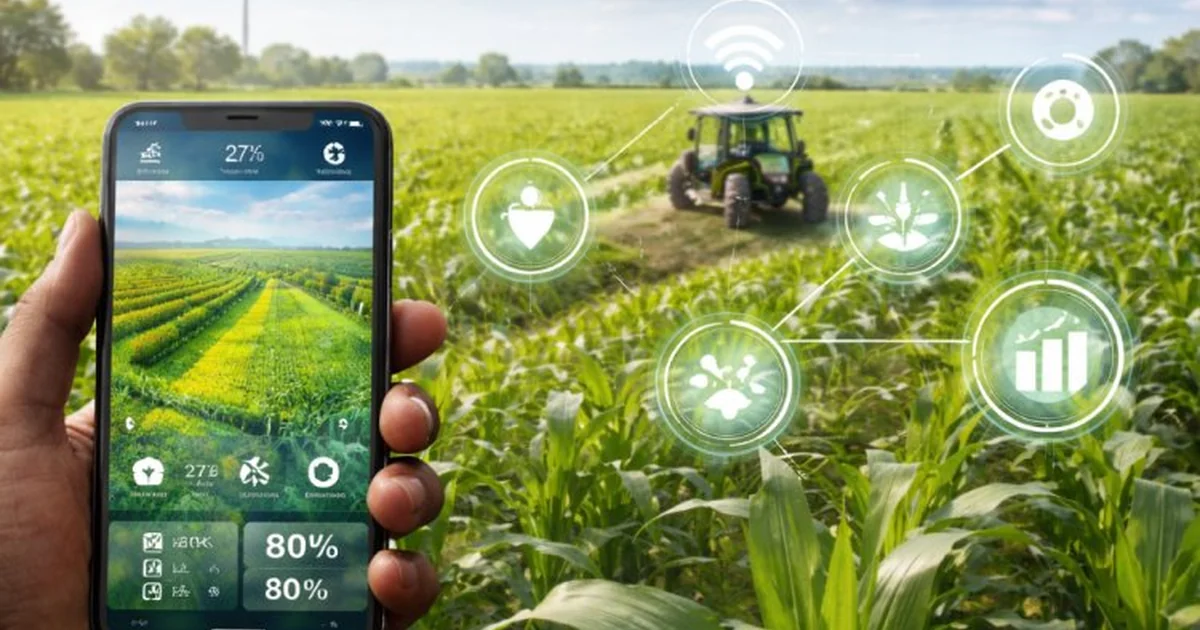
India’s agriculture sector is on the cusp of a major transformation, powered by Artificial Intelligence (AI). With a clear five-year roadmap, the National Agricultural Research System (NARS) aims to embed AI across every facet of farming—from research and education to extension services, governance, and vital market linkages. This strategic integration is not just about adopting new technology; it’s about positioning India as a global leader in farmer-centric Agri-AI, significantly improving farmers’ welfare.
Integrating AI Across India’s Agricultural Ecosystem
The integration of AI into India’s agricultural system represents a monumental shift, moving beyond mere technological adoption to a holistic embedding across the entire ecosystem. This approach recognizes that AI’s true potential lies in its ability to connect various components of agriculture for maximum impact. The recent AI Impact Summit underscored AI’s central role in economic growth and sustainability, with agriculture being a key focus area.
A pivotal moment for this vision was the launch of Bharat-VISTAAR by the Agriculture Minister on 17 February 2026 in Jaipur, following its announcement in the Union Budget on 1 February 2026. This swift launch signals India’s readiness to harness AI tools, demonstrating the nation’s commitment to being an innovator, not just a consumer. The goal is clear: to enhance farmers’ welfare by:
- Increasing productivity: AI can optimize resource use, predict yields, and manage crop health more efficiently.
- Enhancing market information: Providing real-time market insights helps farmers make informed decisions about selling their produce. Farmers can utilize platforms like eNAM to access broader markets, with AI potentially making these platforms even more efficient through predictive analytics.
- Promoting sustainable practices: AI tools can guide farmers on optimal irrigation, pest management, and soil health management, aligning with initiatives like the Soil Health Card scheme. These efforts are crucial for long-term ecological balance and farm viability.
This transformative approach aims to ensure that AI benefits every farmer, ultimately contributing to their economic well-being and supporting schemes like the PM Kisan scheme which directly aims to provide income support to farmers.
Pillars of India’s Agri-AI Future
For India to emerge as a global leader in farmer-centric Agri-AI, several foundational pillars must be strengthened. These pillars form the core of the five-year vision and are critical for the successful, responsible, and widespread adoption of AI in agriculture.
- Strengthening Data Systems: High-quality, accessible, and comprehensive agricultural data is the bedrock of effective AI. This includes everything from weather patterns and soil conditions to crop yields, pest outbreaks, and market prices. Robust data infrastructure is essential for training accurate AI models that can provide meaningful insights to farmers.
- Building Human Capacity: The vision emphasizes developing a skilled workforce capable of understanding, deploying, and managing AI technologies. This involves training researchers, extension workers, and importantly, farmers themselves, to leverage AI tools effectively. Education and outreach programs will be vital.
- Fostering Partnerships: Collaboration between government research institutions, private sector innovators, academic bodies, and farmer producer organizations (FPOs) is crucial. These partnerships can accelerate research, develop practical solutions, and ensure AI tools are tailored to the specific needs of Indian farmers.
- Establishing Regulatory Safeguards: As AI technologies advance, it is imperative to establish clear ethical guidelines and regulatory frameworks. This ensures that AI is used responsibly, protects farmer data, prevents bias, and builds trust within the agricultural community. Responsible AI development is key to its long-term success and acceptance.
By focusing on these strategic areas, India is laying the groundwork for a resilient, productive, and sustainable agricultural future, driven by the immense potential of Artificial Intelligence.
Frequently Asked Questions
The “Five-Year Vision” outlines a comprehensive roadmap for integrating Artificial Intelligence across India’s National Agricultural Research System (NARS). It aims to embed AI into research, education, extension services, governance, and market linkages to make India a global leader in farmer-centric Agri-AI. The ultimate goal is to enhance farmer welfare through increased productivity, better market information, and sustainable practices.
AI will directly benefit Indian farmers by providing tools and insights to increase crop yields through optimized resource management, predict weather patterns for better planning, and detect diseases early. It will also enhance market information, allowing farmers to make informed decisions about when and where to sell their produce. Furthermore, AI promotes sustainable farming by guiding farmers on efficient water use, pest control, and soil nutrient management, ultimately leading to higher income and reduced risks.
Bharat-VISTAAR is a significant initiative launched on 17 February 2026, following its announcement in the Union Budget. It demonstrates India’s proactive approach to harnessing AI in the agricultural sector. The initiative aims to apply AI tools to improve farmers’ welfare by increasing productivity, enhancing access to timely market information, and promoting sustainable agricultural practices across the country. It signifies India’s role as an innovator in Agri-AI solutions.
Successful AI implementation in Indian agriculture relies on several crucial elements. These include strengthening robust data systems for accurate AI models, building human capacity through training for farmers and agricultural professionals, fostering strong partnerships between various stakeholders, and establishing clear regulatory safeguards to ensure responsible and ethical AI deployment. Addressing these areas will facilitate widespread adoption and maximize the benefits of AI for farmers.