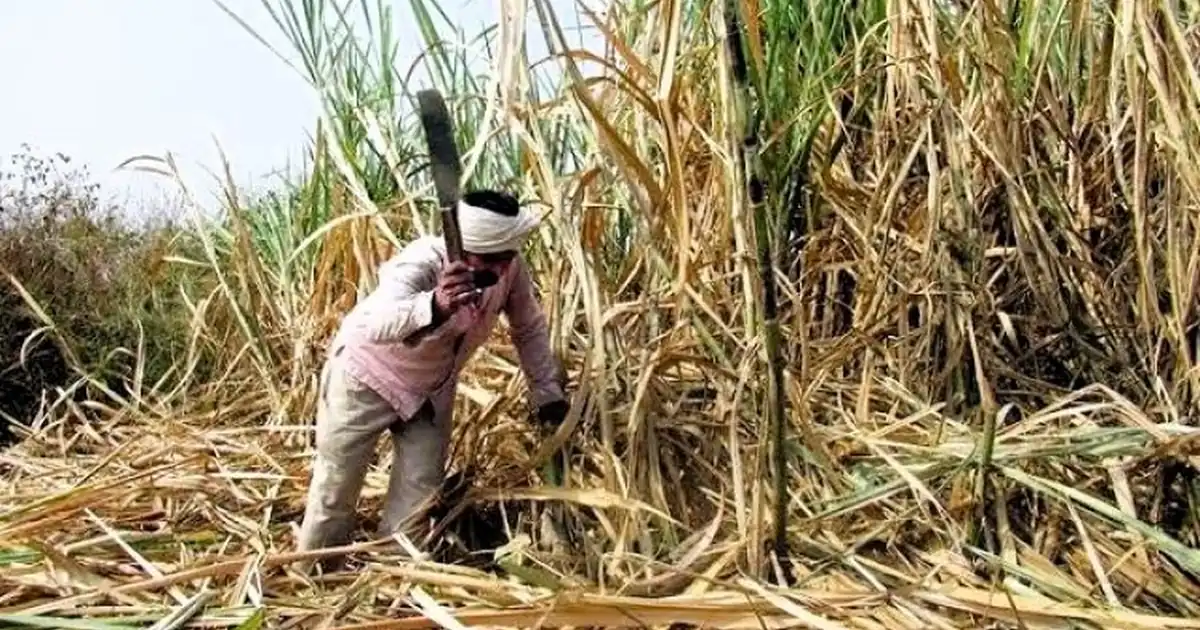
Sugarcane Crisis Deepens: New Variety Key for Indian Farmers

The Indian agriculture sector is grappling with a severe sugarcane crisis as yields decline significantly, pushing both farmers and the sugar industry into financial distress. The primary cause is the widespread disease susceptibility of the once-dominant Co-0238 variety, exacerbated by adverse weather. To combat this, the Indian Sugar and Bio-Energy Manufacturers Association (ISMA) is urgently seeking fast-track approval from ICAR for a promising new variety, Co-20016, which could offer a vital lifeline to growers and mills.
Understanding the Sugarcane Crisis in Indian Agriculture
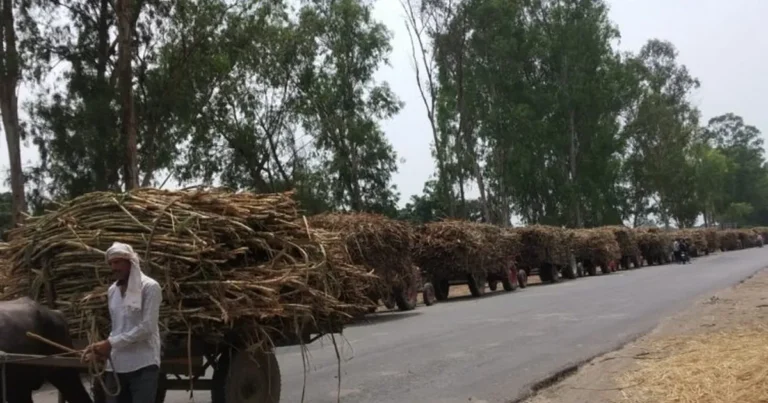
India’s largest sugarcane-producing state, Uttar Pradesh, is at the forefront of this crisis. Farmers are experiencing substantial income losses due due to reduced productivity, leading to deep financial stress. Simultaneously, sugar mills across the state are struggling to secure adequate cane supplies for crushing, impacting their operational efficiency and profitability.
Key factors contributing to the crisis include:
- Disease Outbreaks: The most significant challenge comes from the increasing vulnerability of the Co-0238 sugarcane variety to various diseases.
- Adverse Weather Conditions: Unfavourable weather patterns have further compounded the problem, negatively impacting crop yields.
- Slow Varietal Replacement: The existing procedures for approving new, improved varieties are slow, preventing timely access for farmers.
Industry stakeholders emphasize that the only sustainable path out of this situation is the rapid dissemination of improved and disease-resistant sugarcane varieties across the affected regions.
The Challenge with Co-0238 Variety
For years, Co-0238 was a high-performing and widely cultivated sugarcane variety, contributing significantly to India’s sugar production. However, it has now become increasingly disease-prone, leading to its declining performance. This critical shift has left farmers scrambling for viable alternatives, highlighting the urgent need for robust new varieties that can withstand current agricultural challenges.
Co-20016: A Promising New Hope for Farmers
In response to the growing crisis and the search for an alternative to Co-0238, research institutions under the Indian Council of Agricultural Research (ICAR) have been actively working on replacement options. The Sugarcane Breeding Institute in Coimbatore has successfully developed a new variety, Co-20016.
This new variety has shown very encouraging results in multi-location trials. Scientists and industry representatives view Co-20016 as a potential game-changer, demonstrating improved performance compared to several existing varieties and offering a much-needed robust replacement for the ailing Co-0238.
ISMA’s Push for Fast-Track Approval
Recognizing the urgency, the Indian Sugar and Bio-Energy Manufacturers Association (ISMA), representing private sugar mills, has intensified its efforts to accelerate the approval process for Co-20016. While the variety has shown immense promise, procedural formalities are currently slowing down its official release and widespread adoption.
ISMA has formally written to ICAR Director General Dr. M. L. urging the convening of a special meeting of the Variety Identification Committee (VIC). This fast-track approval is crucial to ensure that Co-20016 can be made available to farmers as quickly as possible, enabling them to plant a more resilient crop.
Why Timely Approval is Critical for Sustainable Agriculture
The rapid approval and dissemination of Co-20016 are not just beneficial but critical for the long-term health of India’s agriculture sector.
- Farmer Income Security: Timely access to a high-yielding, disease-resistant variety can help farmers recover from income losses and stabilize their livelihoods.
- Sugar Industry Stability: Adequate cane supply ensures smooth operations for sugar mills, preventing shortages and economic disruption.
- Food Security: A stable sugarcane yield contributes to the overall stability of the agriculture sector and related industries.
- Mitigating Future Risks: Proactive replacement of vulnerable varieties helps build resilience against future disease outbreaks and climate challenges.
What This Means for Farmers
This development holds significant implications for sugarcane farmers. While the approval process is underway, staying informed about new varieties and best farming practices is paramount. Farmers facing significant income losses can also explore existing support mechanisms. For instance, understanding the benefits of the Pradhan Mantri Fasal Bima Yojana (PMFBY) can help mitigate risks from crop damage. Additionally, for managing financial liquidity, the Kisan Credit Card scheme offers vital support for agriculture expenses. The prompt approval of Co-20016 would mean a clear path forward for better yields and improved financial stability in the coming seasons.
Frequently Asked Questions
What is causing the sugarcane yield decline in India?
The primary reasons for the sugarcane yield decline are the increasing susceptibility of the widely cultivated Co-0238 variety to diseases and adverse weather conditions. This combination is leading to significant crop losses and reduced productivity for farmers.
What is Co-20016 and why is it important?
Co-20016 is a new sugarcane variety developed by the Sugarcane Breeding Institute in Coimbatore. It is considered important because it has shown promising results in trials, demonstrating improved performance and disease resistance, making it a potential replacement for the declining Co-0238 variety.
What action is ISMA taking regarding the new sugarcane variety?
ISMA (Indian Sugar and Bio-Energy Manufacturers Association) is urging the Indian Council of Agricultural Research (ICAR) to fast-track the approval of Co-20016. They have requested a special meeting of the Variety Identification Committee (VIC) to expedite the procedural formalities and ensure timely availability of the new variety to farmers.
How does the slow approval process affect farmers?
A slow approval process means that farmers cannot quickly access new, disease-resistant varieties like Co-20016. This delay forces them to continue cultivating older, vulnerable varieties, leading to ongoing yield losses, reduced income, and increased financial stress, which directly impacts their livelihood and the overall agricultural economy.