Agriculture: A New Future for Bharat’s Farmers

Bharat’s agriculture sector, the backbone of its economy, is poised for a transformative shift towards tree-based farming, promising a new future for millions of farmers. This innovative approach can significantly boost farmer income by an impressive 300-800% within five to seven years, alongside crucial benefits for soil and water health. Farmers are encouraged to explore these sustainable methods, while supportive government policies are essential to facilitate this vital transition on the ground.
The Urgent Need for a Shift in Indian Agriculture
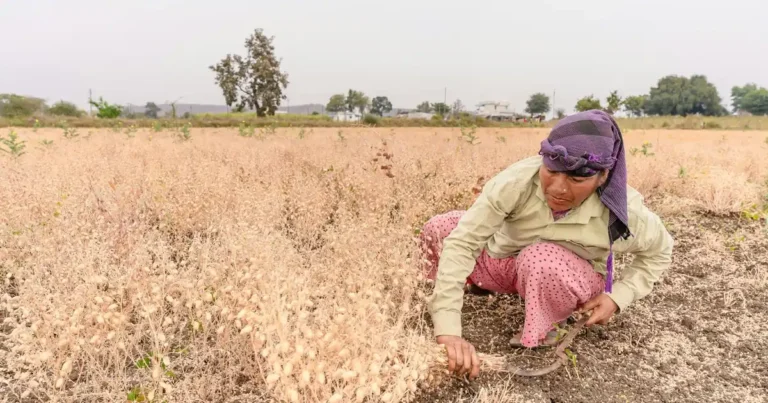
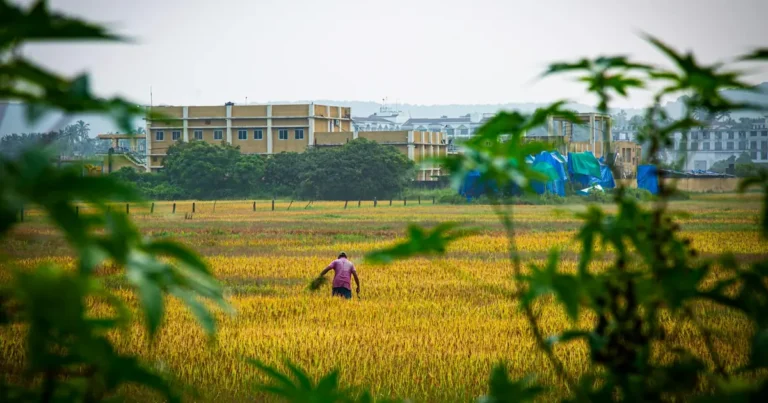
For over 50% of Bharat’s adult population engaged in agriculture, the current reality is often one of distress. Despite their tireless efforts to feed the nation, many farmers struggle with poverty, sometimes leading to tragic outcomes like suicide, often attributed to mounting bank loans. However, the root cause lies deeper: severely degraded soil quality.
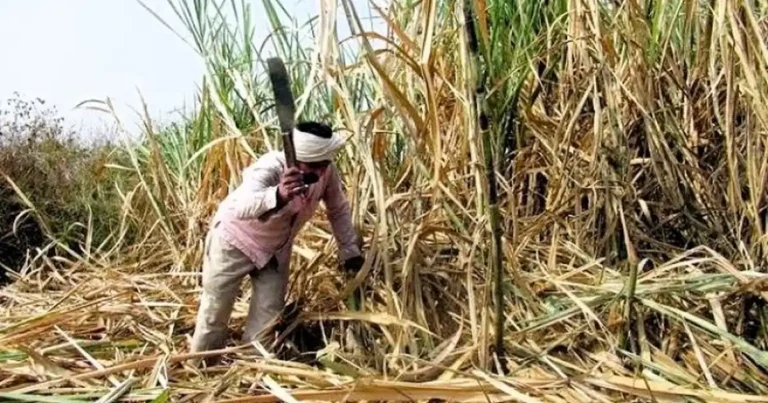
When farmers harvest crops, especially high-volume produce like sugarcane, they effectively remove a significant amount of topsoil nutrients. To restore this, organic matter—primarily leaves from trees or animal waste—must be returned to the soil. Unfortunately, traditional farms have long lost their trees, and the animal population on farms has drastically declined, leading to widespread soil impoverishment.
Revitalizing Indian Agriculture through Tree-Based Systems
A shift to tree-based agriculture, also known as agroforestry, offers a powerful solution to these deep-seated problems. This system integrates trees and shrubs into crop and livestock farming systems, creating a more diversified and resilient farm.
Benefits of Tree-Based Farming:
- Increased Farmer Income: Farmers can see their income surge by 300-800% within a few years by cultivating fruits, timber, and other tree-based produce alongside or instead of traditional crops.
- Improved Soil Health: Trees naturally replenish organic matter through leaf litter, enhancing soil fertility, structure, and microbial life. This reduces the need for chemical fertilizers.
- Water Conservation: Trees help retain soil moisture, reduce evaporation, and improve groundwater recharge, making farms more resilient to drought and reducing irrigation needs.
- Natural Insurance for Farmers: In times of exigency, trees provide an alternative source of income or sustenance, offering crucial financial stability that traditional monoculture often lacks. They act as a living safety net.
Addressing the Root Causes: Soil Depletion and Lack of Organic Matter
The current cycle of crop-based farming without adequate organic replenishment has led to critical soil degradation. When a ton of crop is harvested, a ton of topsoil is effectively removed. Without trees to provide leaves and a sufficient animal population for manure, the soil’s vitality diminishes, making farming less productive and more dependent on external, costly inputs. Promoting tree planting and integrating livestock back into farm ecosystems are vital steps for long-term soil regeneration. Farmers can also benefit from initiatives like the Soil Health Card scheme to understand their soil’s specific needs.
Overcoming Challenges of Small Land Holdings
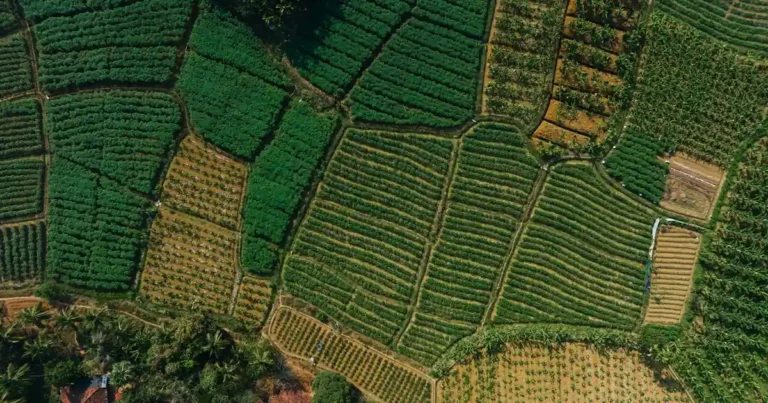
The average land holding in India is often less than a hectare (approximately 2 acres). For farmers with such small plots, conventional crop farming often yields insufficient income, making any investment a high-risk venture. Tree-based agriculture provides a viable pathway to prosperity on small land holdings, allowing for higher value per acre and greater long-term sustainability. It enables farmers to make a living and secure their children’s future, offering a practical solution where traditional methods fall short.
Policy Support: Paving the Way for Sustainable Agriculture
For this transformative vision to become a reality, robust policy support is crucial. While budgetary investment from the government would be highly beneficial, at the very least, policies need to actively encourage and support the adoption of tree-based farming practices on the ground. Historically, agricultural lands in India always featured trees, indicating a traditional wisdom that can be revived with modern policy frameworks. Schemes like the PM Kisan scheme provide basic income support, but a shift in agricultural practices requires broader policy backing. Additionally, comprehensive coverage like the Pradhan Mantri Fasal Bima Yojana can provide financial security during the transition phase.
Kisan Portal Analysis: What This Means for Farmers
This proposed shift towards tree-based agriculture represents a paradigm change, moving beyond mere input subsidies to fundamental ecosystem regeneration and sustainable income growth. For individual farmers, it means considering diversifying their land use with fruit trees, timber species, or even medicinal plants, integrated with their existing crops. While the initial investment and time to maturity for trees might seem daunting, the long-term benefits in terms of significantly higher and more stable income, coupled with healthier land, are profound. This approach not only addresses financial distress but also builds resilience against climate change impacts. Farmers should research suitable tree species for their local climate and soil, and look for governmental or NGO support for agroforestry initiatives.
Moving Towards a Prosperous Future for Bharat’s Agriculture
Liberating agriculture in Bharat through tree-based farming is not just an ecological imperative; it’s an economic one. It offers a clear path out of distress for millions of farmers, securing their livelihoods and ensuring food security for the nation. By embracing this intelligent and sustainable approach, Bharat can foster a future where farmers thrive, soil is rich, and water is abundant, truly ushering in a new era for its agricultural landscape.
Frequently Asked Questions
What is tree-based agriculture?
Tree-based agriculture, also known as agroforestry, is a farming system that integrates trees and shrubs with crops or livestock on the same land. It combines agriculture and forestry technologies to create more diverse, productive, profitable, healthy, and sustainable land-use systems.
How much can farmer income increase with a shift to tree-based farming?
Farmers who shift from conventional crop-based farming to tree-based agriculture can see their income increase significantly, anywhere between 300% to 800% within a period of five to seven years. This substantial increase comes from diversifying income sources through fruits, timber, and other tree-based products.
Why is soil health a major concern for Indian farmers?
Soil health is a major concern because intensive crop-based agriculture without replenishing organic matter has led to severe soil degradation. Each harvest removes nutrients, and without trees for leaf litter or animals for manure, the soil becomes poor, leading to reduced yields and increased reliance on costly chemical inputs.
Does the government support tree-based farming in India?
While direct schemes specifically for ‘tree-based agriculture’ are evolving, there is a growing recognition of its benefits. Existing policies and schemes, especially those promoting sustainable farming, organic farming, and agroforestry (like the National Agroforestry Policy), indirectly support this shift. Greater policy support and potential budgetary investment are needed to accelerate this transition.