Farmers Face Crisis: Tomato Prices Crash in Tamil Nadu

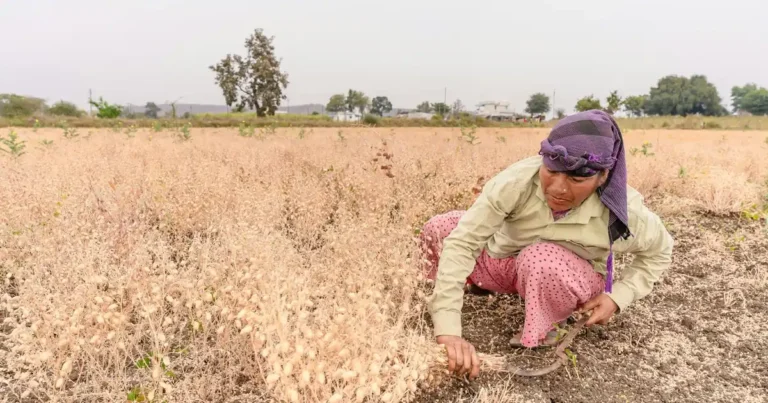
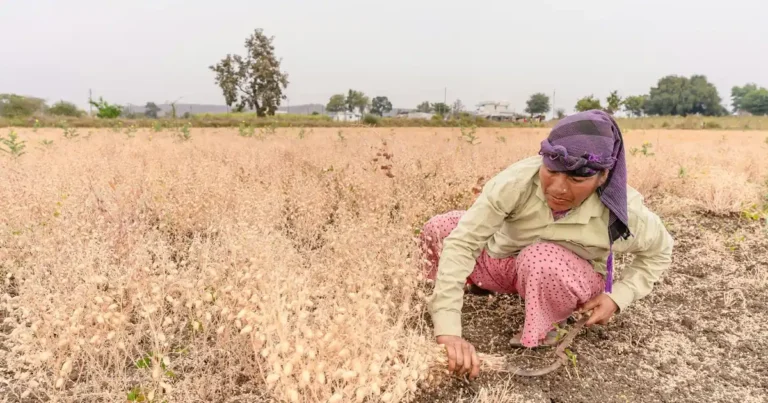
Farmers in several districts of Tamil Nadu are currently facing a severe crisis as market prices for tomatoes have plummeted, making it impossible to recover even basic cultivation expenses. This sudden price crash, attributed to an oversupply in wholesale markets from multiple growing regions, has caught many farmers off guard, disrupting their expected income during the peak harvest season. To mitigate further losses, many growers have stopped harvesting, choosing to leave fully grown produce in their fields. This article explores the root causes, impact, and potential pathways for support for affected farmers.
Understanding the Tomato Price Crisis in Tamil Nadu
The drastic fall in tomato prices is a direct result of a sharp increase in arrivals, leading to an overwhelming surplus in markets. This oversupply has driven prices down rapidly within a short span, severely impacting farmers who had invested heavily in cultivation.
For instance, in key production belts like Dindigul, the price of tomatoes has fallen to single digits per kilogram. A standard 14-kg box of tomatoes, which previously fetched Rs 400-600 just weeks ago, is now being traded for as low as Rs 100-150. This steep decline contrasts sharply with rising operational costs, especially labour charges.
Why Farmers are Abandoning Their Harvest
The decision by farmers to stop harvesting fully grown tomatoes is a desperate measure to minimise additional losses. With current market prices, the expense of plucking, handling, and transporting the produce often exceeds the sale price.
- Unremunerative Rates: The revenue from selling tomatoes does not cover the cultivation expenses, let alone profit.
- High Labour Costs: Daily wages for agricultural workers remain high, hovering around Rs 400, compounding the financial burden on farmers.
- Minimising Further Losses: Continuing to harvest would mean spending more money on labour and transport, only to sell the produce at a loss.
Many farmers had expanded their cultivation in anticipation of stable or favourable market prices, making the current crash particularly devastating.
The Financial Strain on Farmers
The immediate impact on farmers is a severe financial crunch. They are struggling to manage operational costs, and the market’s inability to absorb the excess supply means a significant loss of expected income. This situation threatens their livelihoods and future agricultural investments. The inability to recover costs, coupled with existing debts, pushes many into deeper economic hardship.
What this means for Farmers (Kisan Portal Analysis)
This crisis highlights the inherent volatility in agricultural markets and the profound vulnerability of farmers to price fluctuations. While bumper harvests are usually positive, a lack of adequate cold storage facilities, efficient market linkages, and timely government intervention can turn abundance into a burden. For Tamil Nadu farmers, this means an urgent need for short-term relief coupled with long-term strategies for market stabilisation, diversification, and robust post-harvest management infrastructure. It also underscores the importance of crop insurance and access to timely credit in mitigating such risks.
Potential Support & What Farmers Can Do
In times of crisis, it’s crucial for farmers to explore available support mechanisms and adopt strategies to mitigate losses:
- Crop Insurance: Farmers enrolled under schemes like the Pradhan Mantri Fasal Bima Yojana (PMFBY) should check their policy terms regarding market price drops and potential claims.
- Access to Credit: Utilising the Kisan Credit Card (KCC) scheme can provide access to affordable credit, helping manage immediate operational costs and reduce reliance on high-interest loans.
- Market Information: Stay updated on market prices through platforms like eNAM (National Agricultural Market) to make informed decisions about selling or holding produce, if feasible.
- Government Schemes: Explore general farmer income support initiatives such as PM Kisan to check eligibility for direct financial assistance.
- Local Farmer Producer Organizations (FPOs): Joining or engaging with FPOs can help farmers collectively bargain for better prices, access wider markets, and share resources.
- Diversification: While not an immediate solution, considering crop diversification for future cycles can reduce reliance on single crops and their market fluctuations.
Seeking Government Intervention
The current situation calls for urgent government intervention to support the affected farmers. This could include:
- Market Intervention Schemes: Direct procurement at Minimum Support Price (MSP) or other compensation mechanisms.
- Cold Storage Subsidies: Encouraging the use and establishment of more cold storage facilities to extend shelf life and prevent immediate market gluts.
- Transportation Subsidies: Reducing the cost of transporting produce to more distant markets where prices might be better.
For more information on agricultural policies and support initiatives in Tamil Nadu, farmers can refer to the official website of the Tamil Nadu Agriculture Department.
Moving Forward for Farmers
The tomato price crash is a stark reminder of the challenges faced by farmers in India. While immediate relief is paramount, long-term solutions involving better market infrastructure, robust risk management tools, and proactive policy interventions are essential to ensure the sustainability and profitability of agriculture. Empowering farmers with timely information and access to support schemes remains a core mission for platforms like Kisan Portal.
Frequently Asked Questions
Why have tomato prices crashed in Tamil Nadu?
Tomato prices have crashed primarily due to an oversupply in wholesale markets, resulting from increased arrivals from multiple growing regions. This surplus has led to a steep fall in prices, making it unremunerative for farmers to harvest their produce.
What is the immediate impact on farmers in Tamil Nadu?
The immediate impact is a severe financial crisis for farmers. They are unable to recover even basic cultivation expenses, are struggling with high labour costs, and are losing expected income, forcing many to abandon their harvest to minimise further losses.
What can farmers do to mitigate losses during such a crisis?
Farmers can explore options like checking their crop insurance (PMFBY) policies for potential claims, utilising their Kisan Credit Card for affordable credit, using eNAM for better market price discovery, and engaging with Farmer Producer Organizations (FPOs) for collective bargaining. Seeking information on government relief measures is also crucial.
How low have tomato prices fallen in affected districts like Dindigul?
In districts like Dindigul, the price of tomatoes has fallen to single digits per kilogram. A standard 14-kg box, which previously sold for Rs 400-600, is now being traded for as low as Rs 100-150, making harvesting financially unviable for many farmers.