Kharif Urea Supply Hit by West Asia Gas Shortage

India’s Kharif season faces potential challenges as critical gas supplies, essential for urea production, have been severely curtailed due to tensions in West Asia. This disruption has forced many Indian urea plants to operate at roughly half their capacity, directly impacting the availability of this vital fertiliser for farmers. The situation demands that farmers stay informed and explore proactive strategies to manage their agricultural needs for the upcoming Kharif sowing season.
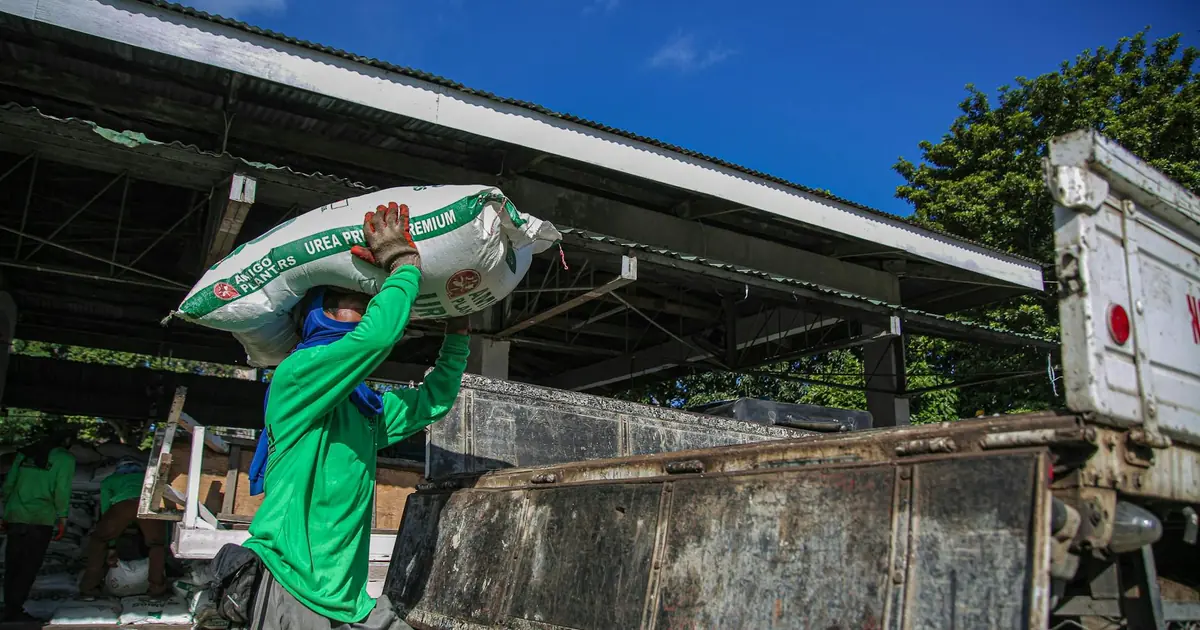
Urea, a cornerstone of Indian agriculture, is facing reduced output as gas supplies from West Asia have been disrupted. Petronet LNG, India’s largest LNG importer, declared force majeure after upstream suppliers cited delivery issues due to cargo disruptions in the Strait. This has led to state-owned gas distributors like GAIL, IOC, and BPCL curtailing supplies to fertiliser units across the country, affecting up to 65% of normal levels and reducing effective supply to below 50% at some units. Consequently, urea production at affected plants has plummeted by approximately 50%, a direct concern for Kharif crop yields.
Impact on Kharif Urea Supply and Farmers
The immediate consequence of these gas supply disruptions is a significant drop in domestic urea production, which directly impacts the availability for the Kharif agricultural cycle. Farmers planning their Kharif crops, such as paddy, maize, and pulses, may encounter:
- Potential Shortages: Reduced domestic production could lead to scarcity of urea in the market.
- Increased Prices: With curtailed supply, the cost of available urea might rise, adding to farmers’ input expenses.
- Logistical Challenges: The government may need to increase imports, which could lead to delays or distribution challenges.
- Impact on Crop Yields: Inadequate or delayed application of urea can severely affect the growth and yield of Kharif crops, directly hitting farmer income.
Adding to the complexity, operating large ammonia-urea plants at reduced loads significantly decreases their thermal efficiency, increasing energy consumption by as much as 40% while producing less fertiliser. This “burning more energy to produce less fertiliser” translates into a direct financial hit for the producers and potentially higher costs for the end-user. Operational coordination breakdowns, with late communication of gas consumption mandates, further complicate matters, risking equipment failures and safety issues.
Kisan Portal Analysis: What This Means for Farmers
This unexpected disruption to urea production ahead of the Kharif season is a critical development. Farmers should not panic but instead, focus on informed decision-making. The government is actively seeking alternative import sources from countries like Russia, Belarus, and Morocco to bridge the supply gap. However, domestic production issues mean potential market volatility. Farmers should be prepared for possible price fluctuations and explore efficient fertiliser use to maximize their existing resources. Utilising government initiatives like the Soil Health Card can help farmers understand their soil’s specific needs, leading to more efficient fertiliser use and potentially reducing reliance on excessive urea. This situation also puts additional financial pressure on farmers, highlighting the importance of support systems like the PM-Kisan scheme, which provides direct income support. Farmers facing financial strain due to rising input costs may also consider exploring benefits under the Kisan Credit Card (KCC) scheme for affordable credit.
Steps Farmers Can Take for Kharif Season
To mitigate the impact of potential urea shortages for the Kharif season, farmers can consider the following:
- Monitor Local Supply: Stay in close contact with local fertiliser dealers and agricultural cooperatives for the latest updates on urea availability.
- Explore Alternatives: Consult agricultural experts or local Krishi Vigyan Kendras (KVKs) about alternative nutrient management strategies or substitute fertilisers that might be available.
- Efficient Fertiliser Use:
- Conduct soil testing to apply urea precisely according to crop needs, avoiding wastage.
- Consider neem-coated urea if available, as it enhances nitrogen use efficiency.
- Explore integrated nutrient management practices, combining organic and inorganic fertilisers.
- Stay Informed: Follow announcements from the Ministry of Chemicals and Fertilizers or state agriculture departments regarding fertiliser distribution plans. For official information on India’s fertiliser sector and policies, refer to the Department of Fertilizers website.
- Budgeting: Prepare for potential higher input costs by re-evaluating farm budgets and exploring options for affordable agricultural credit.
The government is actively engaged in talks to secure fertiliser imports from various countries to ensure adequate supply for the upcoming Kharif season. While the situation presents challenges, proactive planning and efficient resource management by farmers can help minimize the adverse effects. Kisan Portal will continue to provide updates as the situation evolves.
Frequently Asked Questions
What is causing the current urea shortage for Kharif?
The urea shortage is primarily caused by disruptions to gas supplies from West Asia due to geopolitical tensions. This has led India’s largest LNG importer, Petronet LNG, to declare force majeure, resulting in gas supply curtailments to domestic urea manufacturing plants. Many plants are now operating at significantly reduced capacity, impacting urea output for the Kharif season.
How will this impact my Kharif crops?
The reduced urea production could lead to lower availability and potentially higher prices for urea during the Kharif sowing period. This might affect your ability to apply adequate fertiliser, potentially impacting crop growth and overall yield for essential Kharif crops like paddy, maize, and pulses.
What steps can farmers take to mitigate the impact of urea shortage?
Farmers can monitor local fertiliser supplies, consult agricultural experts for alternative nutrient management strategies, and practice efficient fertiliser use through soil testing. Staying informed about government announcements on fertiliser distribution and exploring schemes like the Soil Health Card can also help optimize nutrient application and manage resources effectively.
Is the Indian government taking action to address the urea supply issue?
Yes, the Indian government is actively engaged in discussions with various countries, including Russia, Belarus, and Morocco, to secure additional fertiliser imports. The aim is to bridge the domestic supply gap caused by production curtailments and ensure sufficient availability of urea for the upcoming Kharif and subsequent agricultural seasons.