West Asia Conflict Exposes Agriculture Fertiliser Risks

The ongoing conflict in West Asia has significantly exposed India’s deep dependence on fertiliser imports, triggering concerns over their availability, rising costs, and ultimately, India’s food security. This situation directly impacts millions of farmers by increasing input costs and potentially reducing farm output. Understanding these vulnerabilities is crucial for planning and mitigating risks to ensure stable agriculture production.
Understanding India’s Fertiliser Vulnerability: What Changed?
India’s reliance on West Asia for fertilisers and critical raw materials has been profoundly highlighted by the recent conflict. According to a CRISIL report, 40-42% of India’s total fertiliser imports originate from the region. This dependence is particularly acute for:
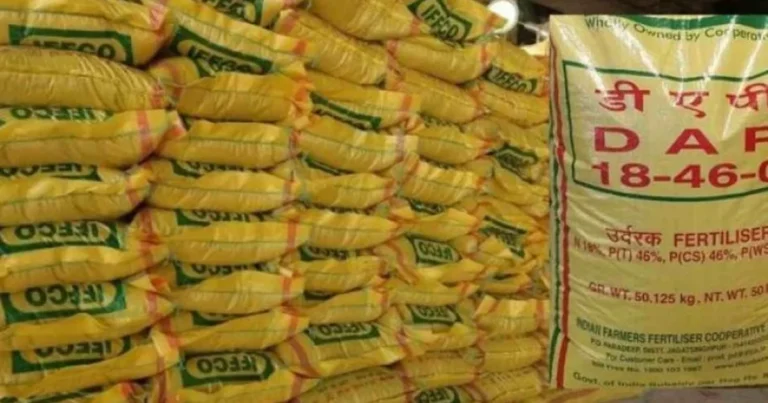
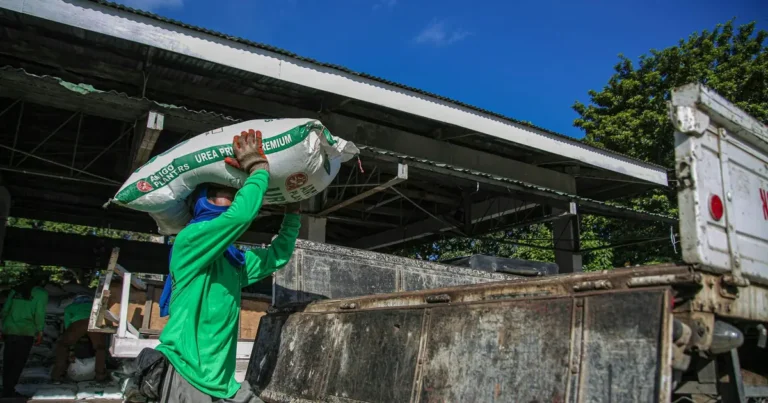
- Urea: Nearly 64.8% of India’s urea imports come from West Asia.
- DAP (Diammonium Phosphate): Over one-third of DAP imports are sourced from this region, making it a vital supplier.
Beyond finished fertilisers, the disruption also affects essential raw materials like liquefied natural gas (LNG), ammonia, sulphuric acid, and rock phosphate, all crucial for domestic fertiliser production. India’s fertiliser manufacturing ecosystem remains structurally exposed, with around 69% of the value chain reliant on foreign sources, and imported feedstock alone contributing about 44.5% of the total value in production.
Who is Affected: Farmers and Agricultural Trade
The ripples of the West Asia conflict extend far beyond just fertiliser imports, threatening India’s broader agricultural sector and trade stability.
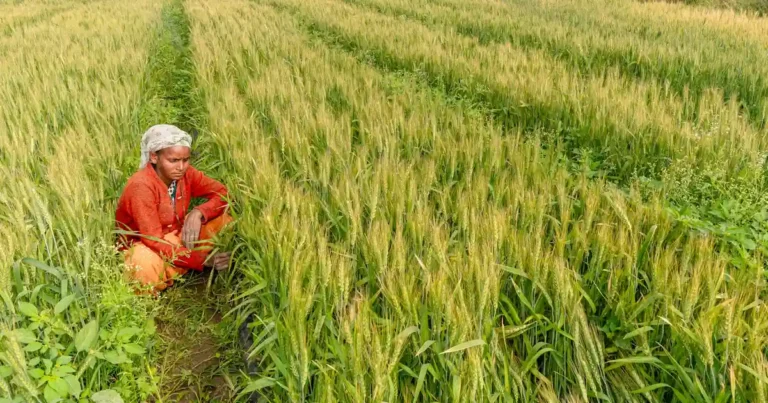
- Farm Incomes: Farmers directly bear the brunt of rising fertiliser and energy costs, which squeeze their profit margins and can impact their ability to invest in the next cropping cycle.
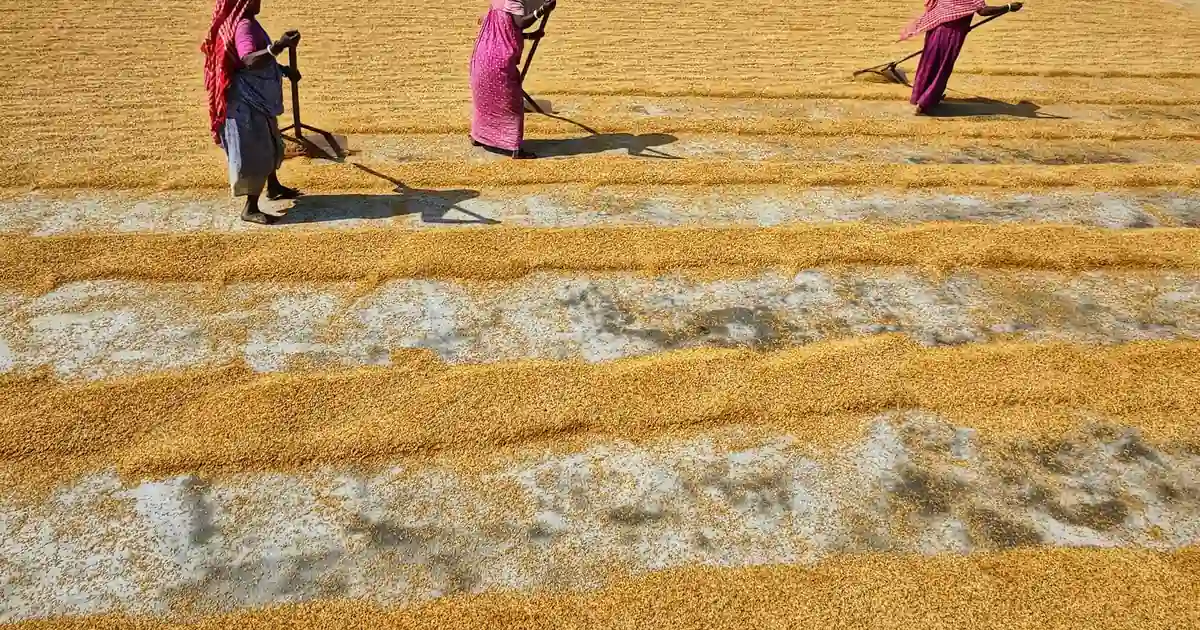
- Agricultural Exports: West Asia is a critical market for Indian agricultural exports, accounting for about 22% of India’s total agricultural exports. Nearly 16% of India’s total exports to the region comprise agricultural and allied commodities. Sectors like cereals and buffalo meat face significant price risks due to potential trade disruptions.
- Energy-Linked Costs: Energy is a vital component throughout the agricultural value chain, from irrigation and farm-level operations to post-harvest handling like drying, storage, and processing. Higher energy prices translate into increased operational costs for farmers and food processors.
- Transit Corridor Disruptions: The region serves as a key transit corridor for shipments destined for Europe and other markets. Disruptions here can affect wider trade routes and logistics, leading to higher shipping costs and delays for Indian produce.
Rising Costs and Supply Chain Pressures
The primary concern is not an immediate absence of supply but the significant increase in landed costs. This is driven by:
- Higher Energy Prices: West Asia is central to India’s energy import basket, with nearly 78% of imports from the region concentrated in mineral oils. Elevated global energy prices directly impact the cost of producing and transporting fertilisers.
- Shipping Risks: Increased geopolitical instability in the region leads to higher insurance premiums and altered shipping routes, pushing up freight costs.
- Domestic Production Impact: Even domestic fertiliser production is vulnerable, as it heavily relies on imported feedstock like natural gas, whose prices are linked to global energy markets. This escalates production costs, eventually passed on to the farmer.
Mitigating Risks: Steps and Long-term Solutions
The Indian government is actively addressing these vulnerabilities, but long-term structural changes are essential.
- Prioritising Fertiliser Allocation: The government is ensuring equitable allocation of available fertilisers to maintain farm output.
- Diversification of Import Sources: Reducing over-reliance on a single region by exploring new international suppliers for fertilisers and raw materials.
- Expanding Domestic Production Capacity: Investing in and encouraging the growth of India’s indigenous fertiliser manufacturing capabilities to become more self-reliant.
- Developing Green Alternatives: Promoting organic farming and green fertilisers to lessen dependence on conventional chemical fertilisers, and schemes like Soil Health Card aid in optimal nutrient management.
- Resilient Value Chains: Strengthening supply chain infrastructure and logistics to better withstand global disruptions.
- Cost Management for Farmers: Implementing measures to help farmers manage rising input costs and protect their incomes.
Kisan Portal Analysis: What this means for farmers
For Indian farmers, the current situation underscores the need for strategic planning and resource management. While the government works on macro-level solutions, farmers should actively monitor official advisories on fertiliser availability and pricing. Exploring alternative farming practices that reduce reliance on chemical fertilisers, alongside adopting modern techniques for efficient nutrient management, will be critical. Access to government support schemes, such as Pradhan Mantri Fasal Bima Yojana (PMFBY) for crop insurance, becomes even more important for safeguarding against potential output risks due to input shortages or high costs. Farmers can also refer to the Ministry of Agriculture & Farmers Welfare for the latest guidelines.
Next Steps for Farmers
To navigate the challenges posed by these geopolitical developments and secure their livelihood, farmers can take several practical steps:
- Stay Informed: Regularly check official notifications from agricultural departments regarding fertiliser supply, availability, and any government subsidies.
- Optimize Fertiliser Use: Conduct soil testing to understand specific nutrient deficiencies and apply fertilisers judiciously. Schemes supporting soil health can help in this regard.
- Explore Government Support: Leverage existing government schemes that offer financial aid or input subsidies, such as PM Kisan for direct income support.
- Crop Diversification: Consider diversifying crop choices where feasible, especially towards less input-intensive crops, to reduce overall dependence on specific fertilisers.
- Collective Procurement: Participate in Farmer Producer Organizations (FPOs) or cooperative societies to leverage collective bargaining power for procuring fertilisers and other inputs at better prices.
- Crop Insurance: Enroll in crop insurance schemes like PMFBY to protect against potential yield losses resulting from adverse conditions, including input shortages.
Ensuring stable agriculture output is paramount for India’s food security. By understanding the vulnerabilities and adopting proactive measures, both the government and farmers can work towards a more resilient and sustainable agricultural future.