Global DAP Price Surge: Kharif Supply Concerns

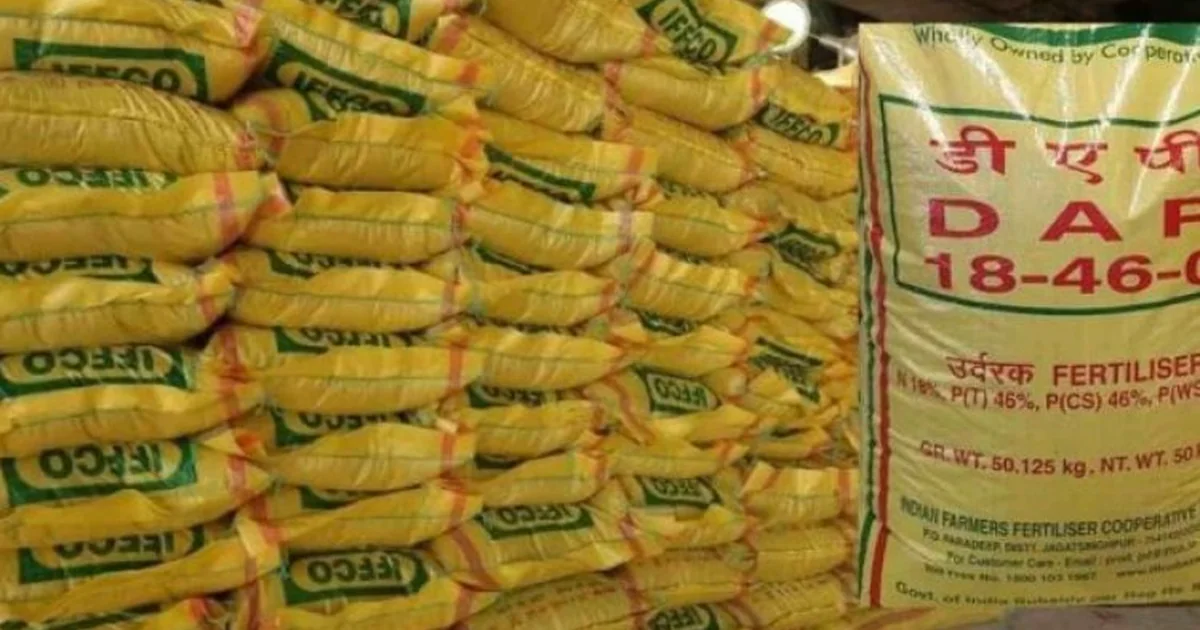
The global market for Di-Ammonium Phosphate (DAP), a crucial fertilizer for Indian farmers, is witnessing a significant price surge. With international prices touching $730 per tonne, an increase of over $50 in just two weeks, concerns are mounting over its timely availability for the upcoming Kharif season. This situation, driven by aggressive international buying and export restrictions, presents a challenge for India, which heavily relies on imports to meet its agriculture demands.
Understanding the Global DAP Price Hike and Its Causes
DAP is the second most consumed fertilizer in India, after urea, playing a vital role in ensuring soil fertility and crop yield, particularly for the Kharif crops. Industry sources indicate that international DAP prices are now hovering between $720 and $730 per tonne, a considerable jump from $665-$670 per tonne just a fortnight ago. There are even reports of Brazil securing deals as high as $740 per tonne with major producers like Saudi Arabia’s Ma’aden, signaling potential further increases.
India’s annual DAP consumption stands at approximately 10 million tonnes. The bulk of this requirement, around 60%, is met through imports of finished fertilizer, while another 40% comes from imported raw materials used for domestic production. This high dependency makes India vulnerable to global price fluctuations and supply chain disruptions.
Several factors are contributing to this upward pressure on DAP prices:
- Aggressive Buying by Brazil: Brazil has been actively purchasing large volumes of DAP at elevated prices, a move that is tightening global supplies.
- China’s Export Restrictions: China, a major global exporter of DAP, has imposed restrictions on its exports. This reduction in available supply from a key player further fuels price increases.
- Expectation of Strong Indian Demand: Global markets anticipate robust demand from India as the Kharif season approaches, influencing producers to firm up prices.
While India has strategic long-term supply agreements with partners like Russia and Saudi Arabia’s Ma’aden to ensure stable DAP availability, these agreements do not fully insulate the market. For instance, reports suggest that Russia did not supply its contracted volumes in February, adding to the uncertainty.
Impact on Indian Farmers and the Kharif Season
The surge in global DAP prices directly impacts India’s agriculture sector, especially as farmers prepare for the crucial Kharif season. Despite the international price volatility, the Maximum Retail Price (MRP) of DAP for farmers in India remains fixed at Rs 1,350 per bag. This stability at the farmer’s end is maintained through the government’s Nutrient-Based Subsidy (NBS) mechanism, which absorbs the difference between the higher international prices and the fixed domestic MRP.
However, supply-side uncertainties persist. Importers are awaiting clarity from the government regarding the revised Nutrient-Based Subsidy rates, which is crucial for them to make timely procurement decisions. Delays in this clarity could lead to hesitation in placing orders, potentially causing availability issues closer to the Kharif sowing period. Even with a fixed MRP, inadequate supply can disrupt planting schedules and impact crop yields.
For farmers, ensuring judicious use of available DAP becomes even more critical in such scenarios. Practicing balanced fertilization based on soil tests can optimize DAP application, preventing overuse and wastage. Farmers can utilize resources like the Soil Health Card to get recommendations tailored to their specific soil conditions. Furthermore, schemes such as the Kisan Credit Card can provide crucial financial support to manage input costs effectively amidst market fluctuations.
Frequently Asked Questions
What is Di-Ammonium Phosphate (DAP) and why is it important for Indian agriculture?
Di-Ammonium Phosphate (DAP) is a widely used phosphatic fertilizer that provides essential nutrients (nitrogen and phosphorus) for plant growth. It is critical for the initial development of crops, root formation, and overall yield, making it the second most consumed fertilizer in Indian agriculture after urea.
How does global DAP price volatility affect Indian farmers?
While the Maximum Retail Price (MRP) of DAP remains fixed for farmers at Rs 1,350 per bag due to government subsidies, global price volatility can lead to supply-side uncertainties. Importers might delay procurement if subsidy rates are unclear, potentially causing delays or shortages of DAP during critical sowing seasons like Kharif, impacting crop productivity.
What steps can farmers take to manage the impact of fertilizer price changes?
Farmers can mitigate the impact by practicing balanced fertilization, utilizing Soil Health Card recommendations for optimal DAP application, and exploring alternative nutrient sources. Additionally, leveraging financial support schemes like the Kisan Credit Card can help manage the increased input costs.