Farmers Seek Agri Carve-Out in India-US Deal for MSP

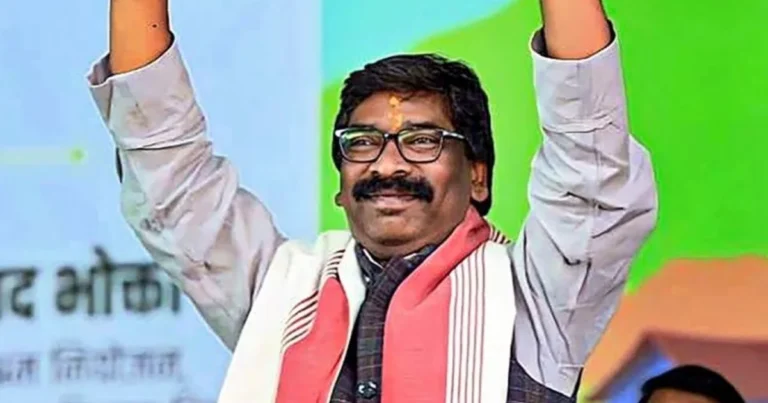
Indian farmers, under the banner of the Samyukt Kisan Morcha (Non-Political), are strongly demanding that the agriculture, dairy, and poultry sectors be entirely excluded from the proposed India-US trade agreement. Their primary concern is that allowing duty-free imports of these products would severely undermine the Minimum Support Price (MSP) regime and lead to catastrophic losses for domestic producers. This critical issue was highlighted at a recent Kisan Panchayat, where thousands of farmers gathered to convey their concerns directly to the government.
Why Farmers Demand Exclusion for MSP Protection
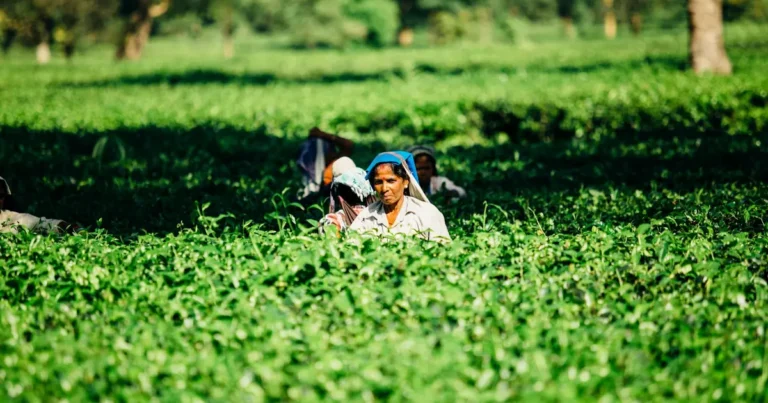
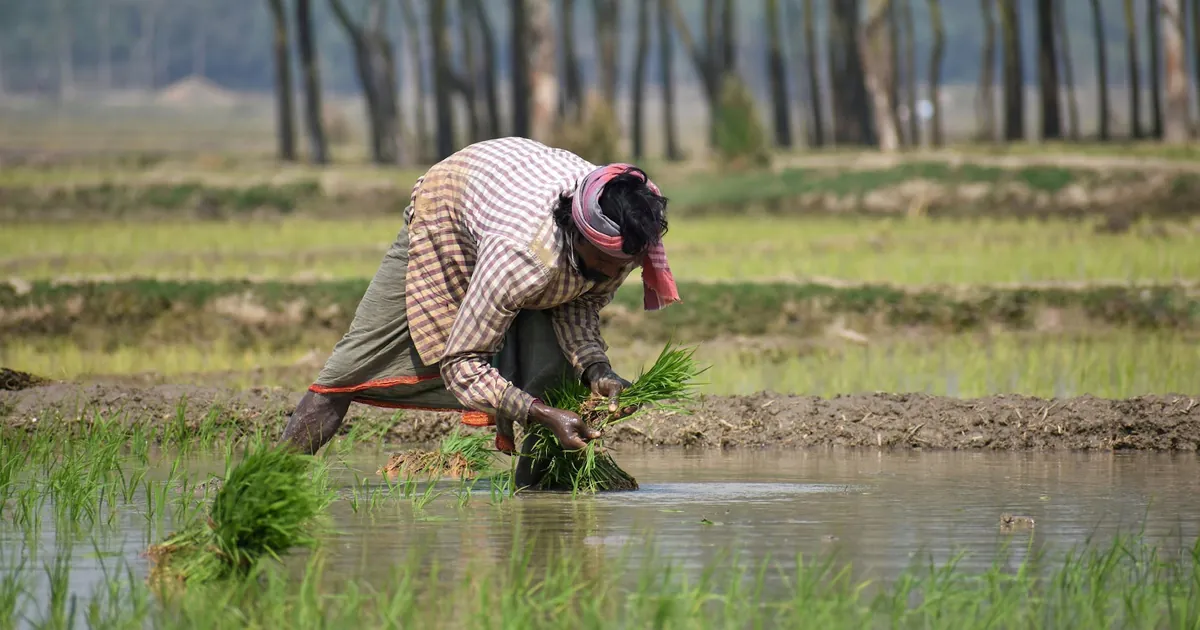
Farmers fear that a trade deal allowing duty-free agricultural imports from the US would be a “death warrant” for Indian cultivators. The influx of cheaper, often subsidised, foreign produce could flood the domestic market, making it impossible for Indian farmers to sell their products at prices that even cover their production costs, let alone at the declared MSP. This directly threatens the livelihoods of millions of farmers and the stability of India’s agricultural economy.
The Samyukt Kisan Morcha (Non-Political) has explicitly stated that their gathering was not to introduce new demands, but to remind the government of long-standing assurances related to farmer welfare, particularly concerning MSP. They have also called for an open debate with Union Agriculture Minister Shivraj Singh Chouhan to discuss these vital concerns.
Unfulfilled Promises and Farmer Losses Linked to MSP
Farmer leaders have consistently pointed to past commitments regarding a legal guarantee for MSP, especially one based on the Swaminathan Commission formula. Despite recommendations and initial support, these promises remain largely unfulfilled. The impact of this delay is significant, with farmers alleging substantial losses due to not receiving the declared MSP for their produce.
An Organisation for Economic Co-operation and Development (OECD) report was cited by farmer leaders, indicating that Indian farmers have collectively incurred losses exceeding a staggering Rs 100 lakh crore because they were denied the MSP announced by the government. This highlights the existing vulnerabilities in the agricultural sector, which would only be exacerbated by increased competition from duty-free imports. Schemes like PM Kisan provide direct income support, but MSP is crucial for market stability.
What This Means for Farmers
This strong push by farmers underscores the critical importance of MSP in India’s agricultural landscape. For the average farmer, the potential for duty-free imports represents a direct threat to their economic survival. Without protective duties, local produce may struggle to compete, potentially driving down market prices far below sustainable levels. This situation could severely impact farmer income and increase agricultural debt, even for those benefiting from schemes like the Kisan Credit Card.
The government’s response to these demands will be crucial. Balancing international trade agreements with the welfare of domestic producers is a complex challenge. Farmers are essentially asking for the government to prioritise food sovereignty and the financial security of its cultivators over potential gains from a broader trade pact. Ensuring robust market mechanisms, perhaps strengthened by initiatives like eNAM, is equally vital.
Key Demands and Government Engagement
The resolutions adopted by farmers across the country and submitted to the Prime Minister’s Office highlight several key areas of concern beyond the immediate trade deal:
- Exclusion of Agri, Dairy, Poultry: Complete carve-out of these sectors from the India-US trade agreement.
- Legal Guarantee for MSP: Implementation of a legal framework ensuring MSP based on the Swaminathan Commission’s recommendations.
- Addressing Past Assurances: A reminder to the government about unfulfilled promises made to the farming community over the years.
Farmers are eager for a direct dialogue with the Union Agriculture Minister to articulate their concerns and seek concrete assurances. The outcome of these discussions will significantly influence the future direction of India’s agricultural policy and its approach to international trade. For more information on agricultural policies, farmers can refer to the official website of the Ministry of Agriculture & Farmers Welfare.
Kisan Portal Analysis
The steadfast demand by farmers to exclude vital agricultural sectors from the India-US trade deal is a clear signal that the issue of MSP and farmer profitability remains paramount. While global trade is essential, any agreement that compromises the financial viability of India’s vast farming community, particularly small and marginal farmers, will face significant resistance. The cited OECD report figures underscore the existing distress due to inadequate MSP implementation, making farmers even more wary of open market exposure. The government must find a way to secure its international trade interests without sacrificing the bedrock of its rural economy.
Frequently Asked Questions
Why are farmers demanding exclusion of agricultural sectors from the India-US trade deal?
Farmers are demanding this exclusion out of fear that duty-free imports of agricultural, dairy, and poultry products from the US would drastically lower domestic prices. This would undermine the Minimum Support Price (MSP) system and lead to severe financial losses for Indian producers, making their operations unsustainable.
What is the primary concern related to MSP in this trade deal?
The main concern is that duty-free imports would flood the Indian market with cheaper products, preventing domestic farmers from selling their produce at or above the declared MSP. This would effectively nullify the protective mechanism of MSP, leaving farmers vulnerable to market fluctuations and potential losses.
Have there been past promises regarding a legal guarantee for MSP?
Yes, farmer leaders have consistently referred to past commitments for a legal guarantee on MSP, particularly based on the recommendations of the Swaminathan Commission. They allege that these promises have not been fulfilled, contributing to significant financial losses for farmers.
What actions are farmers taking to convey their demands?
Farmers recently held a Kisan Panchayat at Ramlila Maidan, attended by thousands. A delegation from the Samyukt Kisan Morcha (Non-Political) also visited the Prime Minister’s Office to submit resolutions and convey their concerns directly. They are also seeking an open debate with the Union Agriculture Minister.