Paddy Procurement: Centre Hikes Commission Rates for

The Central government has announced a significant hike in commission rates for Arthiyas (commission agents) and cooperative societies involved in paddy procurement, effective from the Rabi Marketing Season (RMS) 2026-27, which begins on April 1. This revision directly impacts the intermediaries facilitating the sale of paddy from farmers to the government, aiming to ensure smoother and more efficient procurement operations. Farmers should be aware that while this change primarily affects commission agents, it supports the overall efficiency of the government’s procurement system, which is vital for ensuring Minimum Support Price (MSP) benefits reach them.
What’s New in Paddy Procurement Commission Rates?
Following recommendations from a dedicated committee, the government has revised the commission structure for both Arthiyas and cooperative societies involved in the paddy procurement process. These changes aim to address long-standing requests from various State governments and ensure fair compensation for the services provided.
- For Arthiyas: The commission for procuring Rabi season’s paddy has been increased to ₹50.61 per quintal from the previous ₹45.88 per quintal. This adjustment reflects the increasing costs and efforts involved in aggregation services.
- For Cooperative Societies: The commission payable to cooperative societies for paddy procurement has been revised upwards to ₹35.30 per quintal from ₹32.00 per quintal. This ensures continued support for these vital farmer-centric organisations.
It’s important to note that unlike some other schemes, commission rates can vary by state and agency, based on existing guidelines. For procurement operations conducted at modern silos, the commission rate will remain 50 per cent of the mandi rate, as per current policy.
Why Were These Rates Revised?
The decision to revise commission rates for paddy procurement stemmed from persistent requests from various State governments. A sub-committee, comprising representatives from the Food Corporation of India (FCI), States, and the Department of Food and Public Distribution, was constituted to examine prevailing rates. The food ministry stated that the revision is aimed at maintaining the efficiency of the procurement system and supporting the agencies that facilitate procurement operations on behalf of the government.
Understanding the Paddy Procurement Process
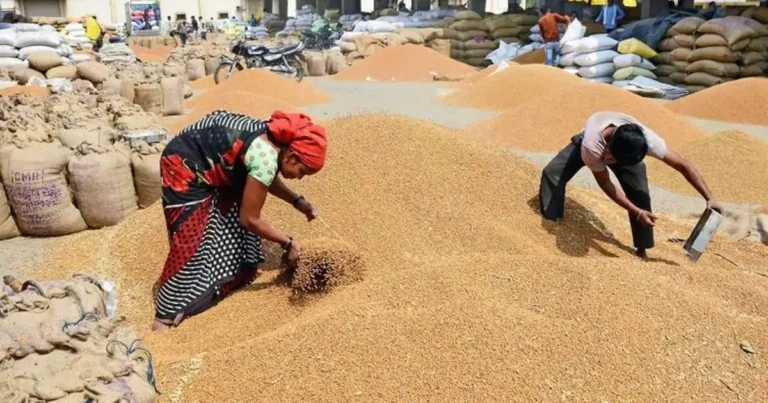
Paddy procurement is a crucial government operation designed to ensure food security and provide farmer income support by guaranteeing a Minimum Support Price (MSP) for their produce. Farmers sell their harvested paddy to government agencies, often through intermediaries like Arthiyas or cooperative societies, at designated procurement centres or mandis. These agents play a vital role in:
- Aggregating small farm produce.
- Assisting farmers with documentation and logistics.
- Facilitating the sale to government agencies.
Schemes like PM Kisan provide direct income support, but efficient procurement is equally essential for a farmer’s economic well-being.
What This Means for Farmers
This increase in commission rates, while not directly adding to the farmer’s selling price, has an indirect but positive impact on the paddy procurement ecosystem.
- Improved Efficiency: Higher commissions can motivate Arthiyas and cooperative societies to offer better services, streamline operations, and potentially reduce delays, leading to a smoother procurement experience for farmers.
- Strengthened Procurement System: By supporting intermediaries, the Centre aims to fortify the overall procurement mechanism, ensuring that government targets for paddy acquisition are met, and MSP benefits remain accessible to farmers.
- Market Stability: A well-functioning procurement system contributes to market stability by ensuring a baseline demand and price for paddy, protecting farmers from distress sales.
However, challenges persist. For instance, states like Telangana are actively encouraging farmers to shift away from water-intensive paddy cultivation towards crops like oil palm, citing issues with procurement, pests, and market challenges. This highlights the ongoing need for a robust and adaptable government procurement of paddy system that addresses diverse agricultural realities. Farmers can explore various government initiatives, including Pradhan Mantri Fasal Bima Yojana (PMFBY) for crop insurance, to mitigate risks and secure their income.
Challenges and Future Outlook
Despite efforts to improve the procurement system, farmers often face challenges such as pest infestations, wild boar attacks, and logistical hurdles in bringing their produce to market. The push for crop diversification, as seen in Telangana’s move towards palm oil, reflects the need to address these broader issues beyond just commission rates. However, for those who continue to cultivate paddy, an efficient and fair procurement system remains paramount. Tools like eNAM (National Agricultural Market) are also working to bring transparency and better market access for farmers.
For more detailed information on government food distribution and procurement policies, farmers can refer to the official Department of Food & Public Distribution website: dfpd.nic.in.
Key Takeaways for Farmers
The recent hike in commission rates for paddy procurement agents is a step towards strengthening the operational framework of government procurement. While it’s an indirect benefit, a motivated and efficient network of Arthiyas and cooperative societies is crucial for the timely and fair purchase of your paddy at MSP. Staying informed about these changes and local procurement schedules can help ensure a smoother selling experience for your harvest.