How Global Sports Events Affect Crop Demand and Food Prices

When people think about international sporting events, they usually imagine stadiums, athletes, and fans celebrating historic victories.
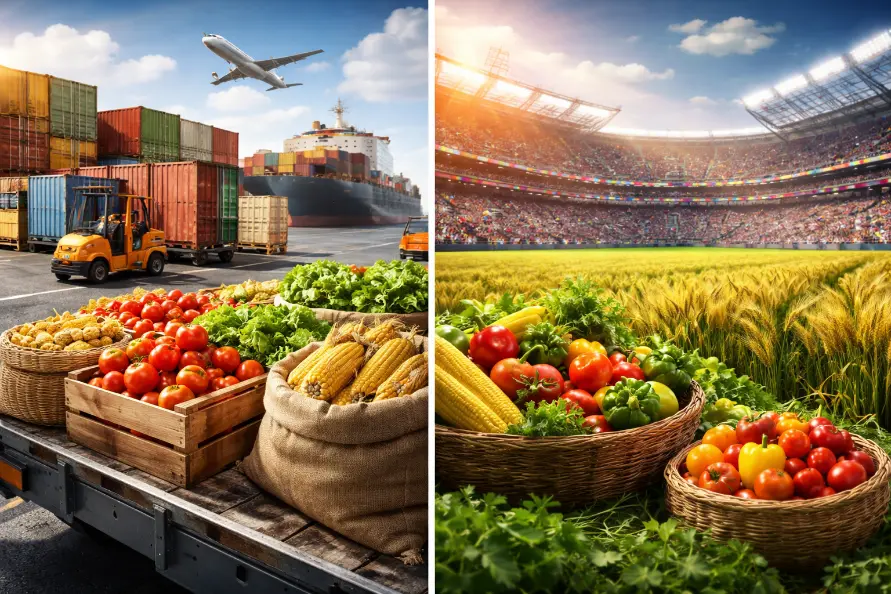
However, these events also create major economic effects far beyond sports — including significant changes in global food demand and agricultural markets.
Large tournaments can temporarily increase demand for agricultural products, influence crop prices, and create new opportunities for farmers.
Why Sporting Events Affect Agriculture
Major international tournaments attract millions of visitors and require enormous food supplies.
This includes food for:
- athletes
- tourists
- hotel guests
- stadium vendors
- restaurants
- media staff
When millions of people gather in one region, food consumption rises sharply.
This increased demand affects agricultural supply chains worldwide.
Crops That Experience Higher Demand
Several agricultural products typically experience rising demand during major sporting tournaments.
Wheat and Grains
Grains are essential ingredients for many foods consumed during sporting events, including bread, pasta, snacks, and fast food items.
Vegetables and Fresh Produce
Hotels and restaurants serving large numbers of tourists rely heavily on fresh vegetables and fruits.
Livestock and Poultry
Meat-based foods such as burgers, grilled chicken, and barbecue meals are extremely popular among sports fans.
Cooking Oils and Ingredients
Food vendors require large quantities of vegetable oils, sauces, and processed ingredients for preparing meals.
Impact on Food Prices
When demand for food rises quickly, it can sometimes influence market prices.
Agricultural markets may experience:
- short-term price increases
- higher export demand
- increased production incentives
Farmers who can scale production during these periods may benefit financially.
However, governments and agricultural agencies often implement programs to stabilize supply and ensure food availability.
The Role of Government Agricultural Programs
Many governments support farmers through programs designed to improve production capacity and market stability.
Examples include:
- fertilizer subsidies
- irrigation schemes
- crop insurance programs
- farm mechanization support
- export incentives
These initiatives help farmers respond to global market opportunities created by international events.
Example: Global Events Like the 2026 World Cup
Large tournaments demonstrate how sports and agriculture intersect on a global scale.
For example, major global sports events like the 2026 World Cup bring millions of visitors and increase food consumption in host regions.
If you want to learn more about the upcoming tournament, stadiums, and travel information, you can explore the 2026 World Cup guide.
The event is expected to increase tourism, hospitality demand, and food consumption across multiple cities.
Opportunities for Farmers
When global events increase demand for food, farmers can benefit through:
- higher crop demand
- expanded export opportunities
- improved commodity prices
- new supply chain contracts
Farmers who stay informed about global market trends are often better positioned to take advantage of these opportunities.
Agriculture and Global Events Are Connected
While sports events are usually associated with entertainment and tourism, they also play an important role in global agricultural markets.
Food production, supply chains, and farming systems support the millions of people attending these events.
Understanding this connection helps farmers and policymakers prepare for demand spikes and ensure stable food supplies.
As global sporting events continue to grow larger, the link between sports, tourism, and agriculture will only become stronger.