India’s Agriculture Production: Record Rice, Wheat, Maize

The Ministry of Agriculture and Farmers Welfare has released its Second Advance Estimates for Major Agricultural Crops for the year 2025-26, projecting a very strong and record-breaking foodgrain production across India. This latest update indicates significant increases in rice, wheat, and maize output, with both Kharif and Rabi foodgrain production exceeding last year’s levels by over 45-50 lakh tonnes. This positive outlook is crucial for farmers, food security, and the overall Indian agriculture sector, signaling robust growth and stability for the coming year.
Key Highlights of the 2nd Advance Estimates for Indian Agriculture
The Second Advance Estimates paint a bright picture for Indian agriculture in 2025-26. The projected record output is a testament to the hard work of farmers and potentially effective agricultural policies.
- Overall Foodgrain Production: Estimated at record levels, reflecting a substantial increase from the previous year.
- Kharif Foodgrain Production: Projected at 1741.44 LMT, which is approximately 46 LMT (2.8%) higher than the previous year’s 1694.60 LMT.
- Rabi Foodgrain Production: Estimated at 1745.13 LMT, a significant increase of about 53 LMT (3.2%) compared to last year’s 1691.66 LMT.
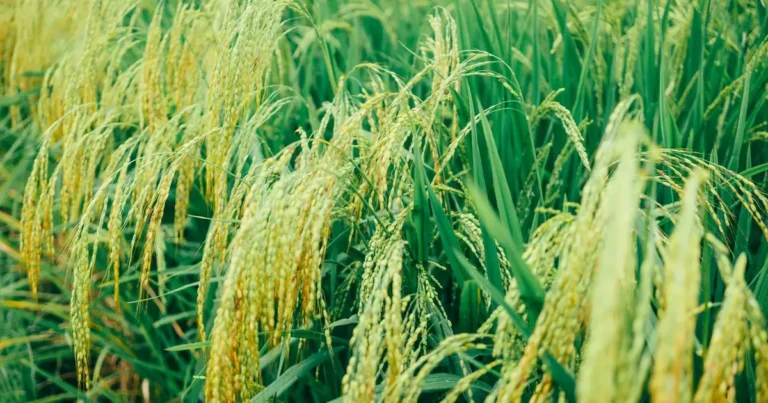
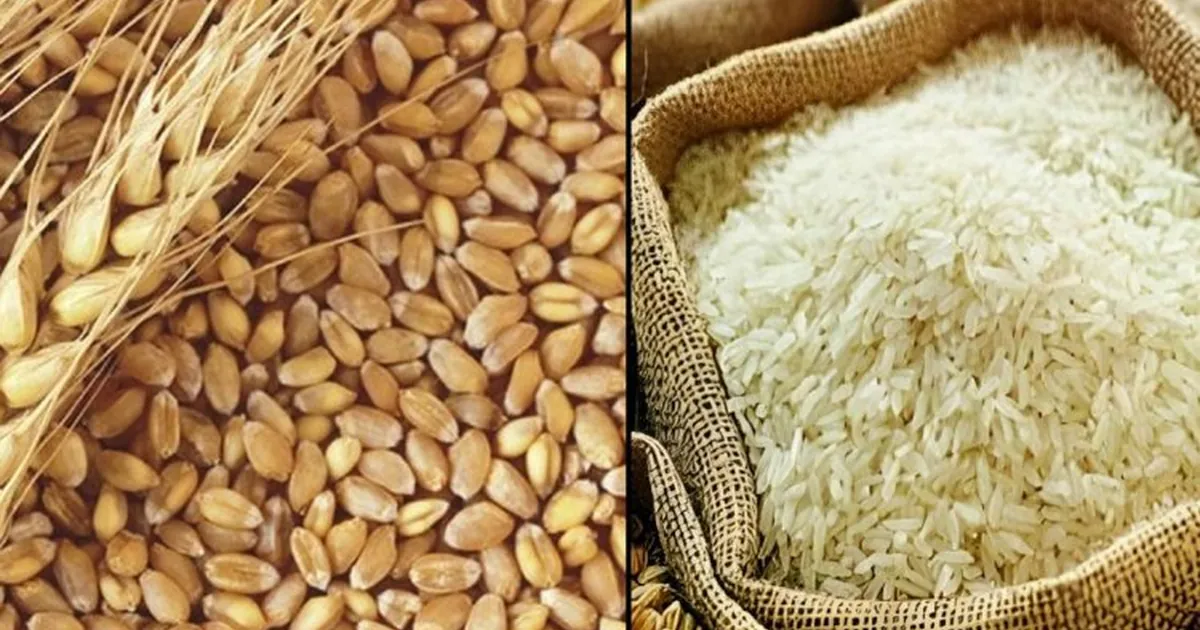
- Rice Production: Kharif Rice production is estimated at 1239.28 LMT, an increase of 11.56 LMT over 2024-25. Rabi Rice production is also strong at 167.20 LMT.
- Wheat Production: Estimated at a robust 1202.10 LMT, showing an impressive increase of 22.65 LMT compared to the previous year’s 1179.45 LMT.
- Maize Production: Both Kharif and Rabi maize are set for record production. Kharif maize is estimated at 302.47 LMT, and Rabi maize at 159.03 LMT, contributing to strong growth in nutri/coarse cereals.
- Shree Anna (Millets): Kharif production estimated at 123.43 LMT and Rabi at 30.98 LMT.
- Pulses: Tur estimated at 34.55 LMT, Gram at 117.92 LMT, and Lentil at 17.33 LMT.
- Groundnut: Kharif production estimated at 112.94 LMT, showing an increase of 8.82 LMT from the previous year, with Rabi Groundnut at 7.97 LMT.
What These Record Agriculture Estimates Mean for Farmers
This projected record-high agriculture production for 2025-26 carries significant implications for farmers across India. Increased supply could stabilize food prices, making essential commodities more affordable for consumers. For farmers, while higher output generally means more income, it’s also crucial to monitor market dynamics to ensure fair pricing for their produce. Government intervention through procurement and support prices will be vital to prevent potential price dips due to oversupply. Schemes like the Pradhan Mantri Fasal Bima Yojana (PMFBY) can also provide a safety net against unforeseen market fluctuations or crop losses, even in years of high yield. This robust output strengthens India’s food security and reduces reliance on imports, reinforcing the nation’s position in global food markets.
Detailed Crop-wise Production Figures (2025-26)
Understanding the specific figures helps in grasping the scale of growth in India’s agriculture sector.
- Total Foodgrain Production:
- Kharif: 1741.44 LMT (compared to 1694.60 LMT in 2024-25)
- Rabi: 1745.13 LMT (compared to 1691.66 LMT in 2024-25)
- Rice Production:
- Kharif: 1239.28 LMT (up by 11.56 LMT from 2024-25)
- Rabi: 167.20 LMT
- Wheat Production: 1202.10 LMT (up by 22.65 LMT from 2024-25)
- Shree Anna (Nutri/Coarse Cereals) Production:
- Kharif: 123.43 LMT
- Rabi: 30.98 LMT
- Maize Production:
- Kharif: 302.47 LMT (Record)
- Rabi: 159.03 LMT (Record)
- Pulses Production:
- Tur: 34.55 LMT
- Gram: 117.92 LMT
- Lentil: 17.33 LMT
- Groundnut Production:
- Kharif: 112.94 LMT (up by 8.82 LMT from previous year)
- Rabi: 7.97 LMT
Government Initiatives Supporting Agriculture Growth
The consistent growth in agriculture is often supported by various government schemes aimed at empowering farmers and enhancing productivity. These include financial assistance, crop insurance, and market access.
- Direct Income Support: Schemes like PM Kisan provide crucial income support directly to farmer bank accounts, helping them manage farm expenses and improve livelihoods. Farmers can also regularly check their PM Kisan status check for installment details.
- Crop Insurance: The Pradhan Mantri Fasal Bima Yojana (PMFBY) offers financial support to farmers suffering crop loss/damage arising out of unforeseen events.
- Market Access: Initiatives like eNAM aim to provide a common online trading platform for agricultural commodities.
For more official details on these estimates and other agricultural data, farmers can refer to the Ministry of Agriculture & Farmers Welfare’s official website: agri.nic.in.
Kisan Portal Analysis
The 2nd Advance Estimates confirm a robust and resilient Indian agriculture sector, driven by strong performance in staple crops. This consistent growth, particularly in rice, wheat, and maize, is fundamental for national food security and overall economic stability. For individual farmers, these figures underscore the importance of optimal farming practices and prudent post-harvest management. While high production is generally positive, farmers should stay informed about government procurement policies and market prices to ensure they receive fair returns for their increased output. Continuous government support through schemes and infrastructure development will be crucial to sustain this momentum and help farmers thrive.
Frequently Asked Questions
What are the 2nd Advance Estimates for crop production?
The 2nd Advance Estimates are projections released by the Ministry of Agriculture and Farmers Welfare for the anticipated production of major agricultural crops for a specific agricultural year. These estimates provide an early indication of crop output, helping in policy planning and market assessments. The latest estimates are for the 2025-26 agricultural year.
Which crops showed record production levels in the 2025-26 estimates?
According to the 2nd Advance Estimates for 2025-26, India is projected to achieve record production levels for key foodgrains including rice, wheat, and maize. Both Kharif and Rabi foodgrain outputs are significantly higher than the previous year, demonstrating strong growth across these vital crops.
How do these record agriculture estimates impact Indian farmers?
Record production estimates generally lead to greater food availability and can help stabilize consumer prices. For farmers, while increased output means more produce to sell, it’s essential to monitor market prices to ensure good returns. Government support through procurement and direct benefit schemes like PM Kisan helps mitigate price risks and ensures income stability.
Where can farmers find official agriculture production data and updates?
Farmers can find official agriculture production data, advance estimates, and various updates directly on the website of the Ministry of Agriculture and Farmers Welfare, Government of India. Reputable agriculture news portals like kisanportal.org also provide analyses and simplified information based on these official releases.