Iran Conflict Threatens India’s Basmati Rice Exports

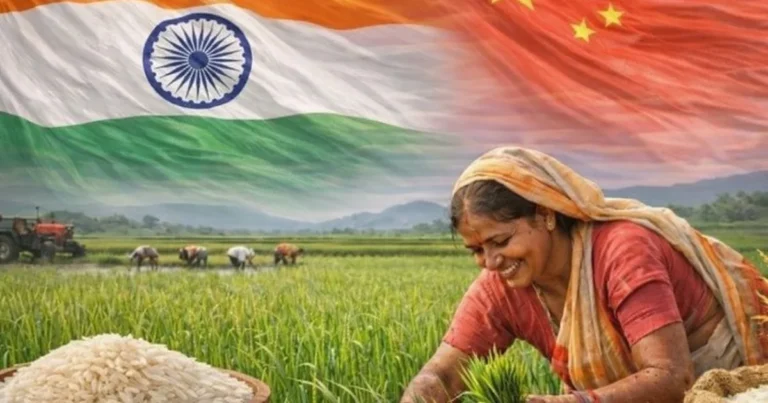
The escalating conflict involving the United States, Israel, and Iran has cast a long shadow over India’s vital basmati rice exports. With the Middle East accounting for nearly 70% of these premium rice shipments, the ongoing geopolitical tensions are causing significant disruptions, threatening trade routes and potentially impacting the livelihoods of countless farmers and traders across India.
The Iran Conflict’s Direct Impact on Basmati Rice Shipments
The recent intensification of the Iran conflict has severely disrupted India’s basmati rice exports. Approximately 4 to 4.2 million tonnes of India’s annual basmati exports, out of a total of around 6 million tonnes, are destined for the Middle East. Iran itself is a major buyer, typically importing between 600,000 to 700,000 tonnes annually, and in peak years, this figure has soared to as high as 1.4 million tonnes.
However, the current situation has brought shipments to Iran and much of the broader Middle Eastern region to a near standstill. Traders are reporting stalled consignments and disrupted export routes, leading to serious concerns about the future of basmati rice trade. This disruption not only affects basmati but could also cause logistical challenges for non-basmati rice exports heading to African markets.
India’s Trade Relations with Iran Amidst Sanctions
India’s trade relationship with Iran has long been complicated by enduring US sanctions. These restrictions have particularly affected banking channels, shipping, and energy trade, making transactions cumbersome. Despite these challenges, rice remains a cornerstone of India’s exports to Iran, constituting more than half of the total goods shipped.
In the calendar year 2025, India’s total exports to Iran were valued at approximately $1.24 billion, with rice alone accounting for a significant $747 million. Data from the Commerce Ministry’s Niryat portal indicates that Iran comprised 6.07% of India’s total rice exports in the fiscal year 2024-25. Saudi Arabia currently stands as the largest importer, with a 10.61% share.
According to the All India Rice Exporters Association (AIREA), India exported 6.065 million tonnes of basmati rice in FY 2024-25, valued at ₹50,312 crore (approximately $5.94 billion). During the same period, India’s total rice production reached 150.1 million tonnes, with basmati varieties contributing 7 to 7.5 million tonnes. Non-basmati rice exports ranged between 14 and 15.1 million tonnes.
Implications for Indian Farmers and the Agriculture Sector
The halt in exports poses a significant threat to Indian agriculture, particularly to farmers involved in basmati cultivation. With shipments stalled and demand from a major market drying up, there is a strong possibility that domestic basmati prices could come under severe pressure in the coming weeks. This could directly impact the income of farmers who rely on healthy export markets for their produce.
In such volatile times, it becomes crucial for farmers to be aware of support mechanisms available to them. Government initiatives like the PM Kisan scheme provide essential direct income support to eligible farmers, helping to cushion against market shocks. Additionally, understanding safety nets such as the Pradhan Mantri Fasal Bima Yojana (PMFBY) can be vital, although its direct application to market price fluctuations is limited, it emphasizes the importance of crop security. For managing operational costs and ensuring access to funds during periods of market uncertainty, the Kisan Credit Card (KCC) scheme offers timely and adequate credit support.
The long-term impact of sustained conflict and trade disruptions could necessitate strategic adjustments within the Indian agriculture sector, including exploring diversified export markets and strengthening domestic consumption channels to maintain price stability for farmers.
Frequently Asked Questions
How does the Iran conflict affect basmati rice exports specifically?
The conflict disrupts shipping routes and stalls consignments, particularly to the Middle East which accounts for about 70% of India’s basmati exports. Iran is a major buyer, and the disruption to this key market significantly reduces demand, impacting export volumes and potentially leading to a surplus domestically.
What is the financial value of India’s basmati rice exports to Iran?
In the calendar year 2025, India exported goods worth approximately $1.24 billion to Iran, with rice alone accounting for $747 million. This demonstrates that rice constitutes more than half of India’s total exports to Iran, highlighting the financial significance of this trade route for the agriculture sector.
How might this situation impact domestic basmati rice prices in India?
With a significant portion of export-bound basmati rice unable to reach international markets, there is an increased supply within India. This surplus can lead to a downward pressure on domestic prices, potentially resulting in reduced earnings for farmers and traders in the coming weeks and months.