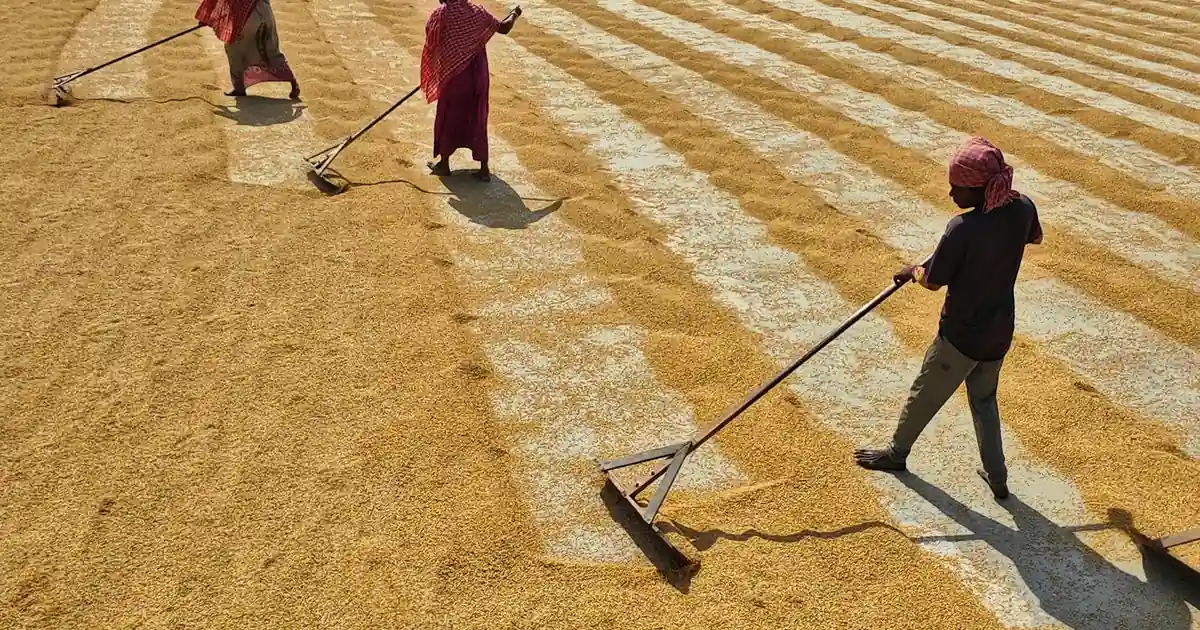
Extreme Heat Threatens Indian Agriculture

Extreme heat is rapidly becoming a grave threat to Indian agriculture, reshaping farming practices and jeopardizing food security. A recent joint FAO-WMO report highlights that rising temperatures are a structural risk, not just occasional disruptions. This update details how the 2022 heatwave caused significant crop losses in India, serving as a stark warning for farmers nationwide on what to expect and how to prepare for future extreme weather events.
Understanding the Threat: Extreme Heat in Indian Agriculture
India’s agriculture has already experienced substantial losses due to extreme heat. The 2022 heatwave saw wheat yields drop by up to 34%, forcing the nation to reconsider its export strategies. This alarming trend is echoed globally, with international agencies like the Food and Agriculture Organization (FAO) and the World Meteorological Organization (WMO) warning that heat stress is a major challenge for crops, livestock, and farm workers across various countries, including India.
The 2022 heatwave, specifically analyzed by the Indian Council of Agricultural Research and Central Research Institute for Dryland Agriculture, marked March and April as the hottest months on record. Temperatures soared 8-10.8°C above normal, accompanied by rainfall deficits of up to 99% in several regions. This severe combination of heat and drought severely impacted agricultural output and rural livelihoods, particularly across northern and central India.
How Extreme Heat Damages Indian Crops and Livestock
High temperatures pose multiple risks to crop health and productivity. Generally, most crops begin to suffer when temperatures consistently cross 30°C.
- Reduced Photosynthesis: Heat stress hampers the plant’s ability to convert sunlight into energy, directly impacting growth.
- Shortened Crop Cycles: Plants mature too quickly under stress, leading to smaller grains and lower overall yields.
- Damaged Reproductive Stages: Flowering and fruiting stages are highly vulnerable to heat, resulting in poor quality produce and reduced seed setting.
During the 2022 heatwave, these impacts were evident:
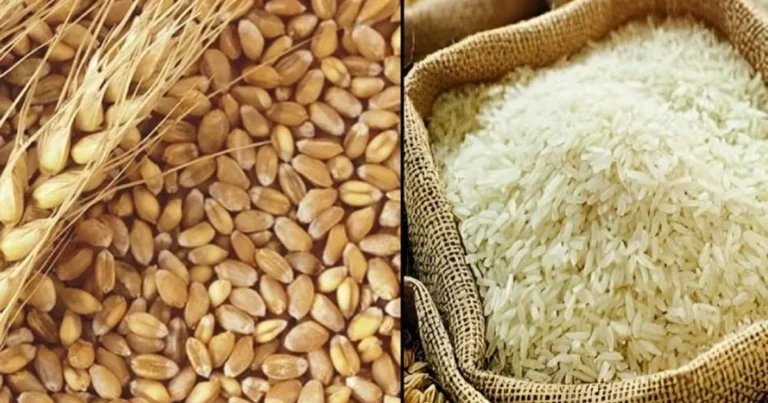
- Wheat: Yields declined significantly, ranging from 9% to a staggering 34%.
- Maize: Crops experienced stunted growth and increased pest attacks, leading to yield reductions of up to 18%.
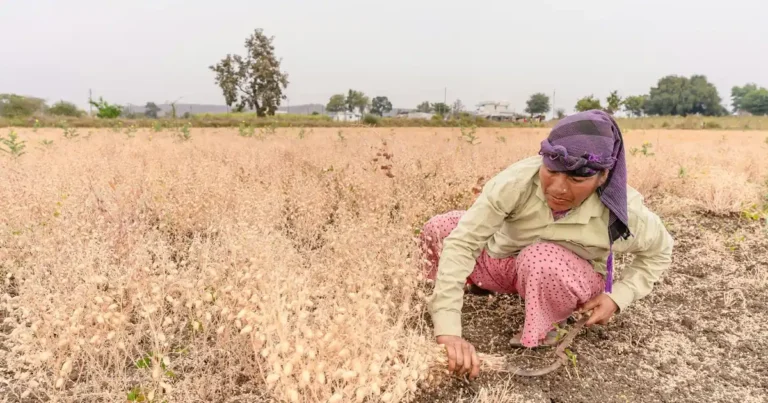
- Pulses (Chickpea): Farmers reported poor plant growth and shrivelled grains.
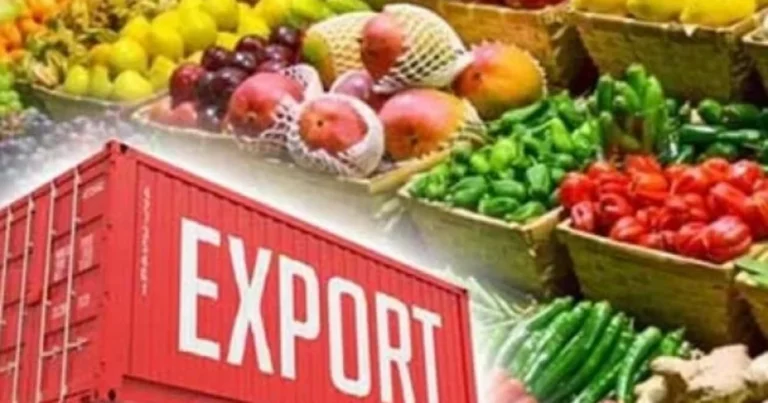
- Horticulture: Vegetables like cabbage, cauliflower, and tomato suffered yield losses of up to 50%. Fruit crops were also severely affected.
Beyond crops, extreme heat impacts livestock health and productivity, increasing water needs and heat stress. Farm workers also face severe health risks, making fieldwork dangerous during peak heat.
Strategies for Farmers: Adapting to Rising Temperatures
To mitigate the effects of extreme heat, farmers can adopt several strategies:
- Crop Selection: Opt for heat-tolerant varieties or drought-resistant crops suitable for local conditions. Research by agricultural universities and ICAR institutes can provide guidance.
- Irrigation Management: Implement efficient irrigation techniques such as drip or sprinkler systems to conserve water and provide targeted moisture. Consider installing farm ponds or exploring community irrigation projects.
- Mulching: Use organic mulches to reduce soil temperature, retain moisture, and suppress weeds.
- Shade Netting: For high-value horticultural crops, consider using shade nets to protect plants from direct harsh sunlight.
- Early/Late Sowing: Adjust sowing times to avoid the peak heat period during critical crop development stages.
- Crop Insurance: Enrolling in schemes like the Pradhan Mantri Fasal Bima Yojana (PMFBY) can provide crucial financial protection against crop losses due to unseasonal weather, including heatwaves.
- Access to Credit: Utilizing schemes like the Kisan Credit Card (KCC) can provide farmers with timely access to credit for adopting new technologies or managing losses.
Kisan Portal Analysis: What This Means for Farmers
The latest report from FAO and WMO, combined with India’s 2022 experience, sends a clear message: extreme heat is a persistent challenge for Indian agriculture. This isn’t a one-off event but a structural shift that demands proactive adaptation. For farmers, this means a greater emphasis on resilient farming practices, smart resource management, and utilizing available government support schemes. The government’s initiatives, such as the Dalhan Aatmanirbharta Mission, aim to strengthen the production of essential crops like pulses, which can also contribute to overall food system resilience. Furthermore, ongoing efforts to provide relief to farmers, as seen with initiatives for crop procurement, highlight the continuous need for support systems. For example, the government recently approved procurement of five crops to provide major relief for farmers in Odisha, demonstrating responsive action to agricultural challenges. Farmers should stay informed about such initiatives by checking official notifications on relevant government platforms. (pib.gov.in)
Government and Global Efforts to Support Agriculture
Recognizing the escalating risks, both national and international bodies are working to strengthen agricultural resilience. This includes:
- Research and Development: Investing in new, heat-tolerant crop varieties and advanced irrigation technologies.
- Early Warning Systems: Developing better weather forecasting and agro-advisories to help farmers prepare for extreme events.
- Policy Support: Implementing policies that encourage sustainable farming practices and provide financial relief during climate-induced crises.
For the future of Indian agriculture, it is crucial for farmers to not only be aware of these rising risks but also to actively adopt sustainable practices and leverage government support to safeguard their livelihoods and contribute to national food security. Staying informed about the latest agricultural advisories and schemes is paramount.
Frequently Asked Questions
How does extreme heat affect Indian agriculture?
Extreme heat severely impacts Indian agriculture by reducing crop photosynthesis, shortening crop cycles, and damaging reproductive stages, leading to significant yield losses. It also stresses livestock and poses health risks to farm workers. The 2022 heatwave in India caused wheat yields to drop by up to 34% and horticulture losses up to 50%.
What are the immediate impacts of heatwaves on crops in India?
Immediate impacts include stunted growth in crops like maize, poor growth and shrivelled grains in pulses such as chickpea, and substantial yield declines in staple crops like wheat. Vegetables like cabbage, cauliflower, and tomato are also highly vulnerable, with recorded yield losses reaching 50% during the 2022 heatwave.
What can farmers do to protect their crops from extreme heat?
Farmers can adopt strategies such as choosing heat-tolerant crop varieties, implementing efficient irrigation techniques like drip systems, using mulching to retain soil moisture, and considering shade netting for sensitive crops. Adjusting sowing times to avoid peak heat periods and enrolling in crop insurance schemes like PMFBY are also crucial protective measures.
Is extreme heat a new challenge for Indian agriculture?
No, extreme heat is increasingly becoming a structural risk rather than an occasional disruption for Indian agriculture. Reports from global agencies like FAO and WMO confirm that rising temperatures are consistently threatening food systems worldwide, making adaptation and resilience crucial for long-term food security.