Cane Yield Decline & Sugar Crisis: ISMA Seeks New Variety

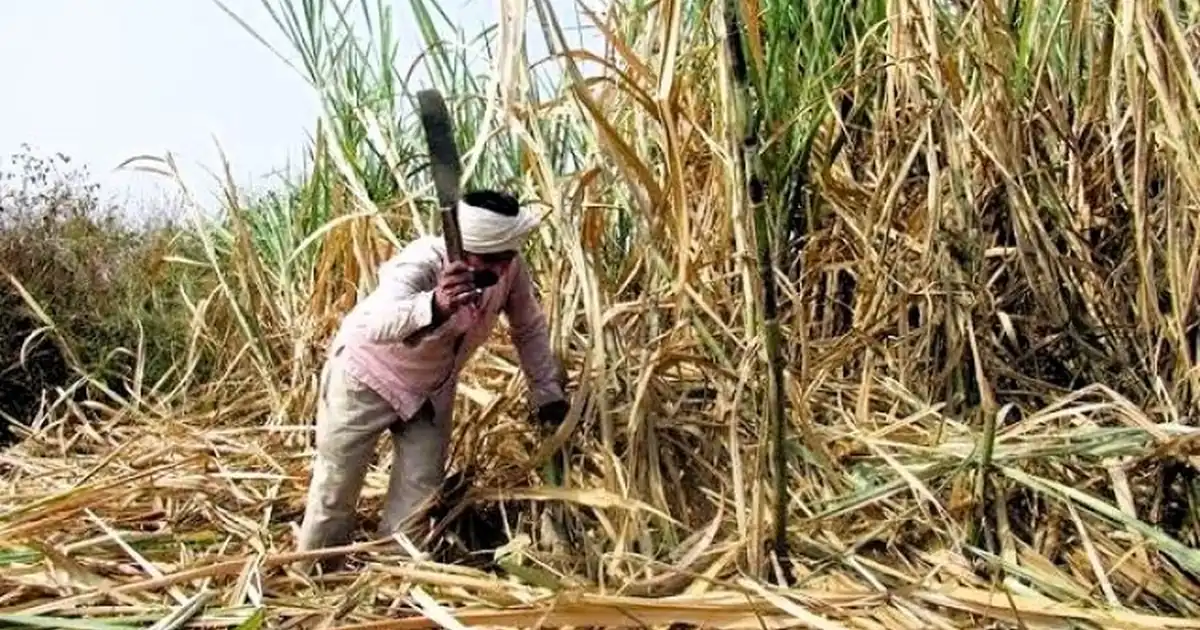
Indian sugarcane farmers, particularly in Uttar Pradesh, are grappling with a severe crisis. Declining yields, largely due to disease outbreaks and unpredictable weather, have plunged both growers and the sugar industry into financial distress. The Indian Sugar and Bio-Energy Manufacturers Association (ISMA) is now pushing hard for the swift approval of a promising new sugarcane variety, Co-20016, to offer a much-needed solution.
The Deepening Sugarcane Crisis for Indian Agriculture
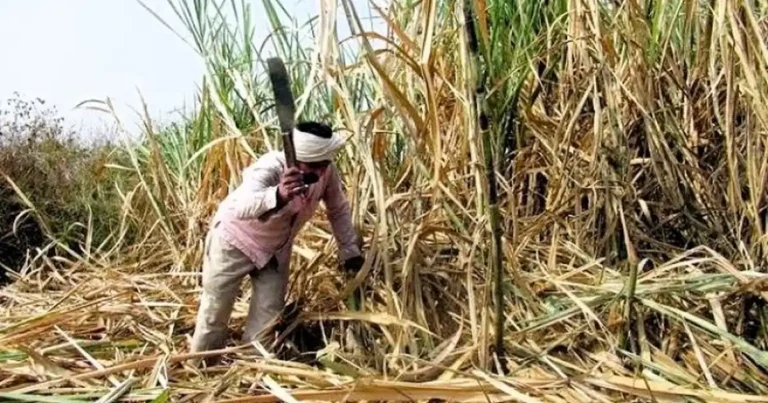
The backbone of India’s sugar economy, sugarcane cultivation, is under immense pressure. Across major producing states like Uttar Pradesh, farmers are reporting significant losses as their cane fields yield less than expected. This crisis is multifaceted:
- Disease Outbreaks: The once high-performing and widely cultivated Co-0238 variety has become increasingly susceptible to various diseases, severely impacting its productivity.
- Adverse Weather Conditions: Unpredictable rainfall patterns, droughts, or excessive rains disrupt the crop cycle, further reducing yields.
- Slow Varietal Replacement: The existing process for approving and disseminating new, improved varieties has been slow, leaving farmers without viable alternatives to disease-prone older strains.
For farmers, this translates directly into significant income losses and deep financial stress. Many rely on sugarcane as their primary cash crop, and its failure impacts their livelihoods profoundly. Mills, on the other hand, are struggling to secure adequate cane supplies for crushing, creating an availability crisis that affects the entire sugar supply chain and puts the national sugar economy at risk. This situation underscores the critical need for robust agricultural support systems, including schemes like the PM Kisan to provide direct income assistance during such challenging times.
The Search for a Superior Alternative: Co-20016 Emerges
Recognizing the urgent need for a solution, research institutions under the Indian Council of Agricultural Research (ICAR) have been diligently working to develop new, disease-resistant, and high-yielding sugarcane varieties. The focus has been on finding a worthy successor to Co-0238.
The Sugarcane Breeding Institute in Coimbatore has achieved a breakthrough with the development of Co-20016. This new variety has undergone extensive multi-location trials and has shown encouraging results, demonstrating improved performance compared to several existing varieties. Scientists and industry experts view Co-20016 as a highly potential replacement, capable of addressing the current yield decline and enhancing overall sugarcane productivity.
The rapid dissemination of such improved varieties is seen as the only sustainable way out of the crisis, offering farmers the tools they need to combat diseases and climate challenges effectively. Furthermore, programs like Pradhan Mantri Fasal Bima Yojana (PMFBY) can provide a safety net against unforeseen crop losses caused by diseases or adverse weather, complementing the efforts to introduce better varieties.
ISMA’s Urgent Call for Fast-Track Approval
Understanding the severity of the situation and the potential of Co-20016, ISMA, the private sugar mills’ body, has intensified its efforts to accelerate the variety’s approval process. They have urged ICAR to convene a special meeting of the Variety Identification Committee (VIC) to fast-track its clearance.
The rationale behind ISMA’s push is clear: procedural formalities, while necessary, are slowing down the introduction of this critical variety to farmers. Timely approval is paramount to ensure that farmers can access and cultivate Co-20016 as soon as possible, allowing them to replant with a superior variety and mitigate further losses. This proactive step by industry stakeholders highlights the collective effort needed within Indian agriculture to overcome systemic challenges and ensure farmer welfare. Access to timely credit through schemes like the Kisan Credit Card (KCC) can also help farmers manage the transition to new varieties and invest in better agricultural practices.
Frequently Asked Questions
What is causing the decline in sugarcane yields in India?
The decline in sugarcane yields is primarily attributed to two factors: widespread disease outbreaks affecting the once popular Co-0238 variety, and adverse weather conditions such as unpredictable rainfall and extreme temperatures. These factors lead to significant crop damage and reduced productivity.
Which new sugarcane variety is ISMA advocating for fast-track approval?
ISMA is advocating for the fast-track approval of the new sugarcane variety Co-20016. This variety has been developed by the Sugarcane Breeding Institute in Coimbatore and has shown promising results in multi-location trials, indicating improved performance and disease resistance.
How will the approval of Co-20016 benefit farmers?
The approval and widespread adoption of Co-20016 are expected to provide significant benefits to farmers. It offers a more disease-resistant alternative to older varieties, potentially leading to higher yields, reduced crop losses, and ultimately, increased income for sugarcane growers.
What is the role of ISMA and ICAR in addressing this crisis?
ISMA (Indian Sugar and Bio-Energy Manufacturers Association) is the private sugar mills’ body advocating for the swift approval and dissemination of new varieties like Co-20016. ICAR (Indian Council of Agricultural Research) is the apex body responsible for agricultural research and the approval process for new crop varieties through its Variety Identification Committee (VIC).