AI in Indian Agriculture: Boosting Farmer Prosperity

Indian agriculture stands at the cusp of a major transformation, driven by the power of Artificial Intelligence (AI). With an average landholding of just 1.08 hectares, the need for precise, plot-level intelligence is paramount. AI offers a unique opportunity to provide hyper-local advice tailored to specific soil, microclimate, and market conditions, ensuring that every farmer, regardless of their land size, can make informed decisions and thrive. This technological leap is not a luxury, but a vital step India must take to secure its agricultural future.
Laying the Digital Foundation: AgriStack and Data Intelligence
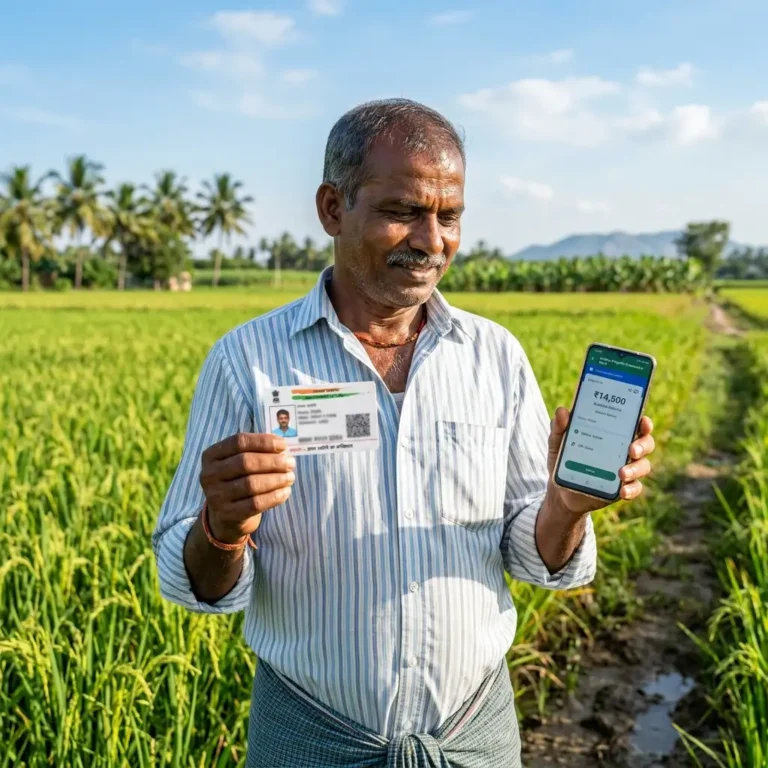
The journey towards AI-powered agriculture in India begins with a robust digital infrastructure. The government has been diligently assembling AgriStack, a farmer-centric digital public infrastructure designed to provide a verified and comprehensive picture of agricultural activity. This foundational layer is built around three core registries:
- Farmer Identity: Ensuring each farmer has a unique digital identity.
- Geo-referenced Village Maps: Providing precise location data for every plot.
- Crop Sown Information: Capturing details about what crops are being cultivated, where.
Together, these registries create a consent-based data sharing ecosystem, allowing for verified information on “who farms what and where.” This crucial data is the bedrock upon which sophisticated AI models can be built, enabling a new era of data-driven farming.
Bharat VISTAAR: Bringing AI to Every Farmer’s Doorstep
Building on the AgriStack foundation, the Union Budget of 2026 introduced Bharat VISTAAR, a groundbreaking initiative designed to bring the intelligence layer directly to Indian agriculture. Bharat VISTAAR integrates the rich data from AgriStack records with expert agricultural practices recommended by the Indian Council of Agricultural Research (ICAR).
What makes Bharat VISTAAR truly revolutionary is its commitment to making AI a public service. It delivers critical advice through simple voice calls and basic mobile phones, ensuring accessibility for all farmers, even those in remote areas without internet access or smartphones. This democratizes AI, transforming it from a premium feature into an essential tool for every farmer.
Real-World Impact: Mitigating Risks and Boosting Yields
The benefits of integrating AI into agriculture are already being demonstrated across various states. Digital advisory services are proving instrumental in reducing risks and improving farm outcomes at scale.
- Odisha’s Krushi Samruddhi: This government-backed, voice-based advisory service has empowered farmers to adopt superior agricultural practices and better withstand weather-related losses. For every rupee invested, the estimated benefit-cost ratios ranged between an impressive $12-$19, with losses from pest diseases and extreme weather reducing by nearly 25%.
- Participatory AI Systems: States like Tamil Nadu are pioneering new approaches, partnering with platforms like Apurva.ai to capture invaluable farmer knowledge through web and WhatsApp. This collaborative model combines traditional wisdom with modern AI insights.
- Crop Yield Prediction Pilots: Several states, including Assam, Bihar, Jharkhand, Madhya Pradesh, Maharashtra, Rajasthan, and Uttar Pradesh, have launched AI-based crop yield prediction pilots. These initiatives provide real-time advisory, helping farmers make timely decisions regarding planting, irrigation, and harvesting, thereby optimizing yields. AI can also play a crucial role in assessing crop damage for schemes like the Pradhan Mantri Fasal Bima Yojana (PMFBY), streamlining the claim process for farmers.
The Path Forward: Empowering Farmers with Smart Solutions
AI in Indian agriculture is not just about technology; it’s about empowering the farmer. By providing precise, timely, and accessible information, AI helps farmers in several key areas:
- Optimized Resource Use: AI can recommend optimal use of water, fertilizers, and pesticides based on soil health data. Regular analysis from initiatives like the Soil Health Card can be fed into AI models for more accurate recommendations, leading to significant cost savings and sustainable practices.
- Early Detection & Prevention: AI models can predict pest outbreaks, disease spread, and adverse weather events, allowing farmers to take proactive measures, thus reducing crop losses.
- Market Linkages: AI can analyze market trends, demand-supply dynamics, and pricing, providing farmers with crucial insights to make informed decisions about selling their produce, potentially enhancing profitability. This aligns well with goals of schemes like the Kisan Credit Card, by informing farmers how to best utilize credit for market-informed decisions.
- Improved Decision-Making: From choosing the right crop variety for specific land to determining the ideal harvest time, AI offers data-backed guidance at every stage of the agricultural cycle.
India is rapidly building the ecosystem for AI-powered agriculture. The combination of foundational digital infrastructure like AgriStack, public service initiatives like Bharat VISTAAR, and pioneering state-level projects ensures that the bus of AI innovation is well on its way. Indian farmers, with their resilience and readiness to adopt new methods, are set to be the biggest beneficiaries of this technological revolution.
Frequently Asked Questions
What is AgriStack and why is it important for Indian agriculture?
AgriStack is India’s digital public infrastructure for agriculture, comprising registries for farmer identity, geo-referenced village maps, and crop sown information. It is crucial because it creates a verifiable, consent-based data foundation that enables hyper-local intelligence and the deployment of AI-driven services across the country, tailoring advice to individual farm plots.
How does Bharat VISTAAR make AI accessible to all farmers?
Bharat VISTAAR integrates AgriStack data with ICAR’s agricultural recommendations and delivers this AI-powered advice through simple voice calls and basic mobile phones. By leveraging widely accessible technology, it ensures that AI is treated as a public service, reachable by farmers even in remote areas, rather than a premium feature for high-end users.
Can AI genuinely help farmers with very small and fragmented landholdings?
Yes, AI is particularly beneficial for farmers with small and fragmented landholdings. It provides hyper-local intelligence adapted to specific soil types, microclimates, and market conditions at the plot level. This precision helps smallholders optimize resource use, reduce risks, and improve yields, making their limited land more productive and profitable.
What are some practical examples of AI already at work for Indian farmers?
Practical examples include Odisha’s Krushi Samruddhi voice-based advisory service, which reduces weather losses, and participatory AI systems like Tamil Nadu’s partnership with Apurva.ai, which captures farmer knowledge. Additionally, several states are running AI-based crop yield prediction pilots to offer real-time advisory for more effective farming decisions.