Crop Insurance: 5% for Rabi crops, and 5% for annual

Indian agriculture faces unique challenges, from unpredictable weather patterns to pest infestations and diseases. These factors can devastate a season’s hard work and income, posing significant financial risks to farmers. Crop insurance offers a vital safety net, protecting farmers from financial losses and ensuring stability even in the face of adversity. This comprehensive guide will walk you through everything you need to know about securing your farm’s future.
Why Crop Insurance is Essential for Indian Farmers
Farming in India is often a high-risk venture due to its heavy reliance on monsoon rains and vulnerability to various natural calamities. A single adverse event, such as a drought, flood, hailstorm, or an unexpected pest outbreak, can wipe out an entire harvest. Without proper protection, farmers can be plunged into debt, impacting their livelihoods and well-being.
Crop insurance schemes are designed to provide:
* Financial Security: Compensation for losses sustained due to specified natural disasters, helping farmers recover their investment.
* Risk Mitigation: Reducing the financial burden and stress associated with crop failures.
* Encouragement for Modern Practices: Allowing farmers to invest in better seeds and techniques without fear of total loss.
* Stability for Rural Economy: Contributing to the overall stability of agricultural communities.
Understanding Pradhan Mantri Fasal Bima Yojana (PMFBY)
The Pradhan Mantri Fasal Bima Yojana (PMFBY) is the flagship crop insurance scheme launched by the Government of India. It aims to provide comprehensive risk cover against non-preventable natural risks from pre-sowing to post-harvest stages.
Key features of PMFBY include:
* Wide Coverage: It covers various risks, including prevented sowing/planting, standing crop (from sowing to harvest) against non-preventable risks like drought, flood, hailstorm, cyclones, landslides, pests, and diseases. It also includes localized calamities and post-harvest losses for specific crops.
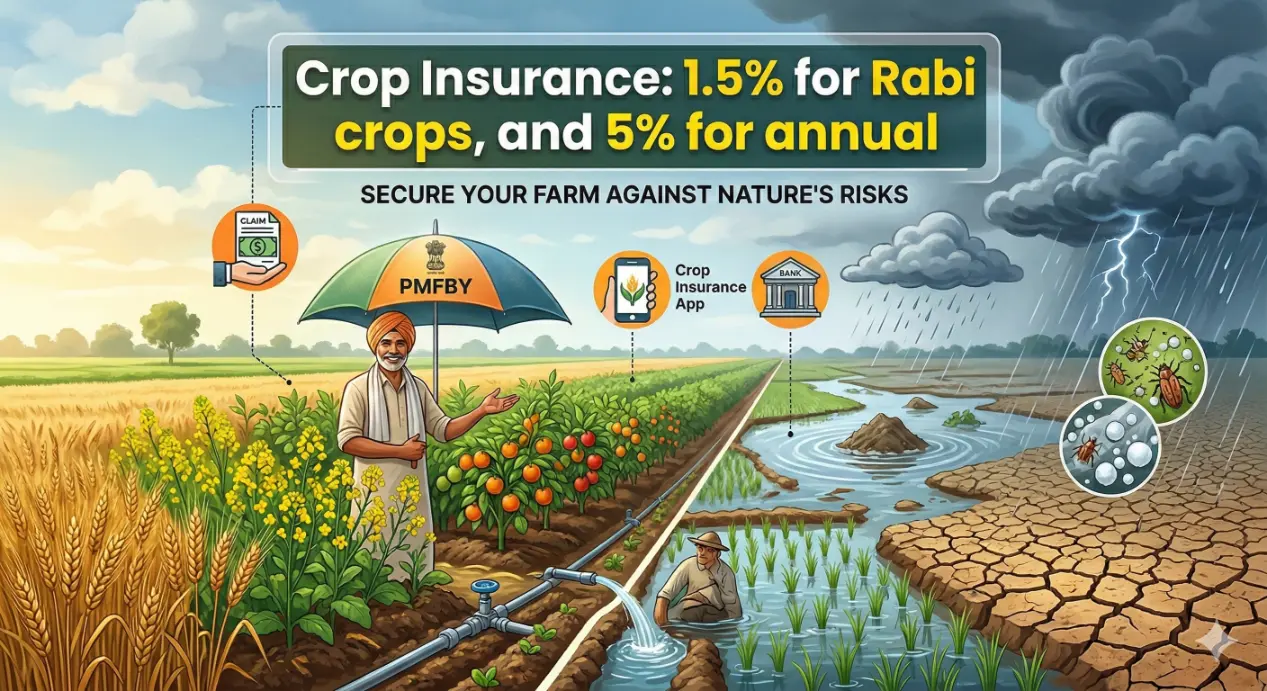
* Low Premiums: Farmers pay a very nominal premium (2% for Kharif crops, 1.5% for Rabi crops, and 5% for annual commercial/horticultural crops), with the remaining premium borne by the government.
* Compulsory for Loanee Farmers: Farmers who take institutional loans for agriculture are mandatorily covered under PMFBY.
* Voluntary for Non-Loanee Farmers: Non-loanee farmers can voluntarily opt for the scheme.
For a detailed understanding of the scheme’s specifics and benefits, refer to our comprehensive Pradhan Mantri Fasal Bima Yojana (PMFBY) guide.
How to Enroll in Crop Insurance Schemes
Enrolling in crop insurance, especially schemes like PMFBY, is a straightforward process designed to be accessible to all eligible farmers.
Eligibility:
* All farmers, including sharecroppers and tenant farmers, growing the notified crops in the notified areas are eligible.
* Both loanee (those who have taken agricultural loans from banks) and non-loanee farmers can apply.
Enrollment Process:
Farmers can enroll through several channels:
* Banks: Loanee farmers are often automatically enrolled through their banks. Non-loanee farmers can also approach their bank branches.
* Common Service Centres (CSCs): These centers offer convenient application services.
* Insurance Company Agents: Authorized agents can assist with the application.
* Online Portal: Farmers can directly apply through the official PMFBY portal.
Required Documents for Enrollment:
* Aadhaar Card or other identity proof
* Bank passbook (for account details)
* Land records (RoR, Khasra, Khatauni) or tenancy agreement
* Sowing declaration form (filled by the farmer)
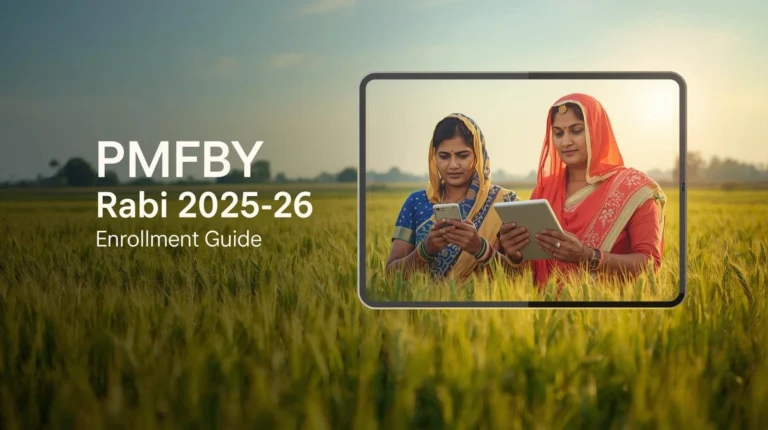
It is crucial to be aware of the cut-off dates for enrollment for each cropping season (Kharif and Rabi). Missing these deadlines means you cannot enroll for that season. To understand the enrollment process for specific seasons, you can check our guide on PMFBY Rabi enrollment.
Reporting Crop Damage and Claiming Compensation
The timely reporting of crop damage is critical for claiming compensation under crop insurance schemes. Farmers must act swiftly after an adverse event.
Steps to Report Damage:
1. Immediate Notification: Report crop damage to the insurance company or concerned authorities within 72 hours of the incident. This can be done via:
* Toll-free helplines of the insurance company.
* The Crop Insurance App (available on smartphones).
* Local agricultural department officials or CSCs.
* Your bank branch (especially for loanee farmers).
2. Provide Details: Furnish necessary information such as your policy number, details of the affected land, type of crop, and nature of the damage.
3. Damage Assessment: After reporting, agricultural authorities and insurance company representatives will conduct a joint assessment of the crop losses. This assessment determines the extent of damage and the eligible compensation.
4. Compensation Payout: Once the assessment is complete and verified, the compensation amount is typically disbursed directly to the farmer’s bank account.
Farmers in specific states should also be aware of regional schemes. For instance, farmers in Maharashtra can find information about their state’s insurance provisions, such as Pik Vima Maharashtra, to ensure they are fully covered.
Frequently Asked Questions
Crop insurance is a crucial financial tool that protects farmers from losses due to unforeseen events like natural calamities, pests, and diseases. It provides financial stability, ensuring that even if crops fail, farmers receive compensation to cover their costs and support their families. This helps mitigate risks inherent in agriculture.
Farmers can apply for PMFBY through various channels, including their local bank branches, Common Service Centres (CSCs), designated insurance agents, or the official online PMFBY portal. It’s important to enroll before the cut-off dates for each cropping season, such as Kharif and Rabi, to ensure timely coverage.
To enroll in crop insurance, farmers generally need to submit documents such as land records (RoR, Khasra-Khatauni), proof of identity (Aadhaar card), a bank passbook, and a declaration of sown crop area. For loanee farmers, the enrollment process is often facilitated directly by their banks as part of their loan application.
In case of crop damage, it is crucial to report the incident to the insurance company or concerned authorities within 72 hours. This can be done via the Crop Insurance App, toll-free helplines, or through your bank/CSC. A damage assessment will then be conducted by officials to determine the eligible compensation, which is then paid to your bank account.