Soil Health Card Online Registration 2026: Apply, Portal Login, & Check Status

Indian farmers are increasingly leveraging technology to enhance their agricultural practices and boost productivity. This growing awareness highlights the critical need for understanding soil health to ensure sustainable agriculture and maximize crop yields. For 2026, the process of obtaining and utilizing a Soil Health Card is more streamlined than ever, with a strong emphasis on digital access and services. If you’re an Indian farmer looking to improve your farm’s productivity and reduce input costs, understanding the Soil Health Card online registration and access on the official portal is your next crucial step. This comprehensive guide will walk you through the scheme’s benefits, eligibility, the online application process, and how to check your status.
What is the Soil Health Card Scheme? (Updated for 2026)
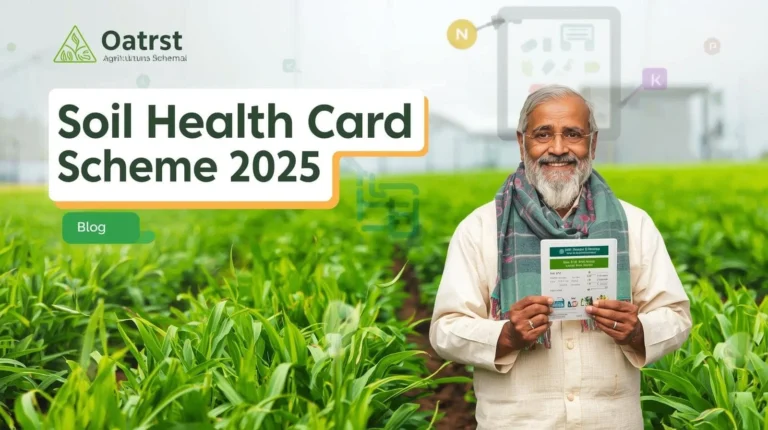
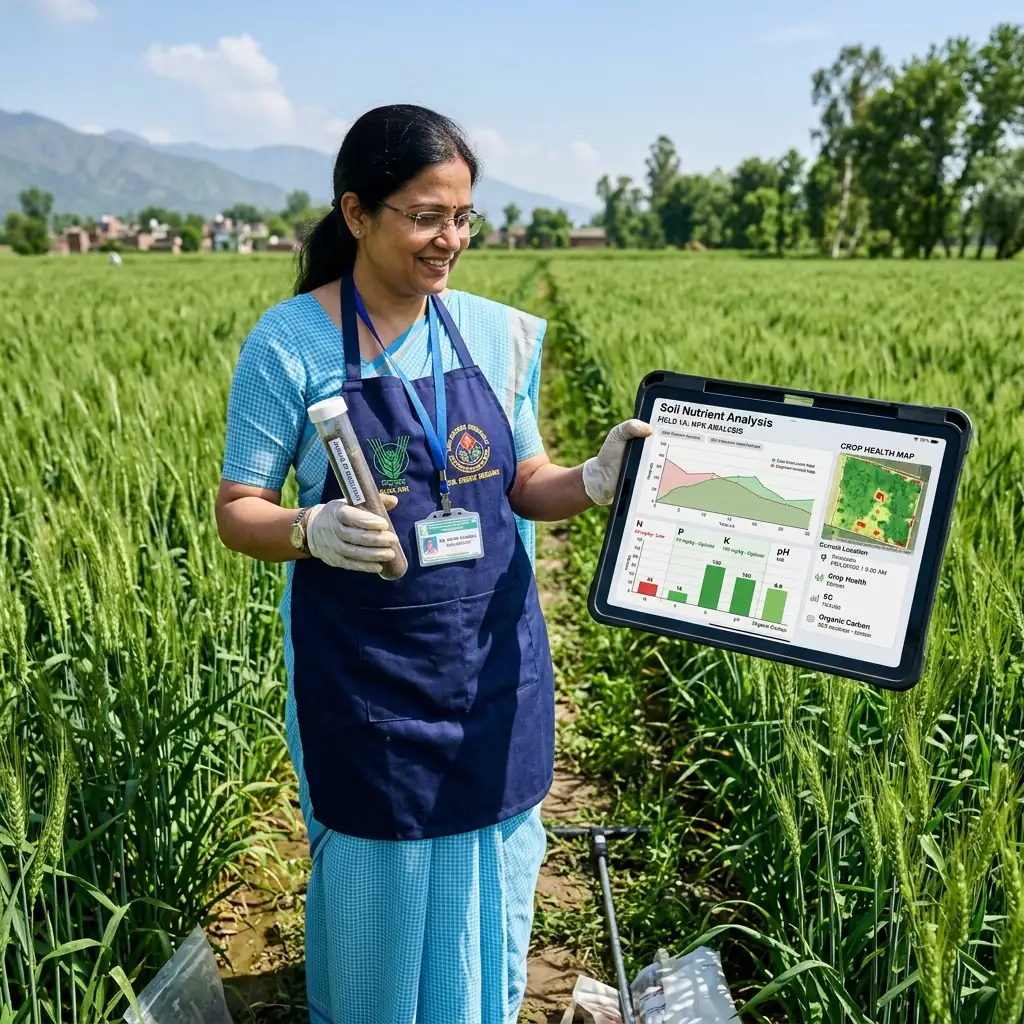
The Soil Health Card (SHC) Scheme, launched by the Government of India in 2015, continues to be a cornerstone initiative for sustainable agriculture in 2026. Its primary aim is to provide farmers with a detailed report on the nutrient status of their farm soil. This report, known as the Soil Health Card, offers recommendations on the appropriate dosage of fertilizers and necessary soil amendments to improve soil fertility and crop productivity. The scheme promotes balanced fertilization, leading to better crop yields, reduced input costs, and sustainable farming practices, all integrated with digital platforms for easy access.
Benefits of the Soil Health Card for Farmers
The Soil Health Card offers numerous advantages that directly impact a farmer’s income and agricultural practices:
- Optimized Fertilizer Use: Farmers receive specific recommendations on nutrients to be applied, avoiding overuse or underuse of fertilizers, which saves money and prevents soil degradation. This scientific approach helps farmers, especially those benefiting from schemes like PM Kisan Status Check, to optimize their fertilizer inputs and manage their financial resources effectively.
- Increased Productivity: By addressing soil deficiencies precisely, the right nutrients enhance crop growth and yield.
- Reduced Cultivation Costs: Scientific fertilizer application means less wastage and lower expenditure on inputs.
- Sustainable Farming: Promotes balanced nutrient management, improving long-term soil health and environmental sustainability. This data-driven approach also complements efforts towards risk mitigation, a key aspect supported by schemes like PMFBY Kharif Crop Insurance 2026, by providing insights into soil’s capacity to support resilient crops.
- Informed Decision-Making: Empowers farmers with scientific data to make better choices about crop selection and nutrient management.
- Digital Access: Farmers can easily access their Soil Health Card and related information online, facilitating quicker decision-making.
Eligibility for the Soil Health Card Scheme
All farmers, regardless of their landholding size, are eligible to receive a Soil Health Card for their agricultural land. The scheme is designed to cover every cultivable plot in the country on a cyclical basis, with soil samples typically collected every two years.
Documents Required for Soil Health Card Online Registration
While the core requirement is your agricultural land for soil testing, some basic documents are typically needed for registration and record-keeping when agriculture department officials visit for sample collection. These details form the basis for your Soil Health Card online registration in the system:
- Aadhaar Card: For identification and linking to farmer details on the national portal.
- Land Ownership Documents: Proof of landholding such as Khasra, Khatauni, or other relevant land records, essential for accurate mapping and data entry.
- Bank Account Details: For any potential associated benefits or subsidies, though not directly for the card itself.
- Mobile Number: For communication and updates regarding sample collection and card availability.
How to Complete Soil Health Card Online Registration & Apply
The process for obtaining a Soil Health Card involves a systematic approach, with a significant part of the ‘registration’ happening digitally through the agricultural department’s efforts. Farmers do not typically initiate an online application themselves in the first instance, but their data is registered online for subsequent access. Here’s how the Soil Health Card online registration and application process works for 2026:
- Proactive Soil Sample Collection (Every 2 Years): State agriculture department staff or designated agencies actively collect soil samples from farmers’ fields once every two years. This systematic collection ensures comprehensive coverage. When officials visit, they will collect your land details and personal information which serves as the initial step for your digital registration.
- Data Entry to the Official Portal: The information collected from the farmer (Aadhaar, land details, mobile number) along with the soil sample details are digitally uploaded onto the official Soil Health Card Portal (soilhealth.dac.gov.in) by the field staff. This is where your soil health card online registration effectively begins within the government system.
- Laboratory Testing: These collected soil samples are then sent to designated Soil Testing Laboratories (STLs) or mobile soil testing labs for comprehensive analysis.
- Analysis Report Generation & Digital Upload: The labs analyze the soil for 12 parameters: pH, Electrical Conductivity (EC), Organic Carbon (OC), Nitrogen (N), Phosphorus (P), Potassium (K), Sulphur (S), Zinc (Zn), Boron (B), Iron (Fe), Manganese (Mn), and Copper (Cu). The results are then uploaded to the central Soil Health Card Portal.
- Card Preparation & Online Availability: Based on the analysis, a Soil Health Card is generated digitally, detailing the soil’s nutrient status and fertilizer recommendations for specific crops. This digital card is then made available for farmers to view and download online.
- Distribution to Farmers: While digital access is primary, printed Soil Health Cards are also distributed to farmers, often through village-level camps or by agricultural extension workers.
For farmers, the key is to cooperate with the agriculture department staff during sample collection to ensure their details are accurately entered into the online system.
Soil Health Card Portal Login & Checking Your Status Online
Once your soil sample is collected and processed, you can easily perform a Soil Health Card status check and download your card online through the official portal:
- Visit the Official Soil Health Card Portal: Navigate to the central portal at soilhealth.dac.gov.in.
- Access the Farmer’s Section: Look for options like “Know Your Soil Health Card” or “Farmers Corner” on the homepage.
- Select Your State: From the dropdown menu or map, select your specific state. This will redirect you to your state’s specific SHC portal section or allow you to proceed with state-specific filters.
- Enter Required Details: You will typically need to enter details such as your District, Sub-District, Village, or sometimes your Farmer ID or Aadhaar number. The specific fields may vary slightly by state.
- Search for Your Card: After entering the necessary information, click on the ‘Search’ or ‘View’ button.
- View and Download Your Digital Soil Health Card: The portal will display your Soil Health Card details. You can then view the complete report, including soil parameters and fertilizer recommendations, and download it as a PDF for your records.
While there are login options for State Users, Lab Users, etc., farmers primarily use the “Know Your Soil Health Card” section to access their details without a specific farmer login ID, using their geographic or Aadhaar details to retrieve their card.
Kisan Portal Analysis: Why Soil Health Cards are Gaining Traction Now (2026 Perspective)
The rising interest in the Soil Health Card scheme in 2026 underscores a critical and accelerated shift towards data-driven and digitally-enabled farming in India. Farmers are increasingly recognizing that knowing their soil’s health, made easily accessible through online portals, is fundamental to making intelligent decisions about crops and inputs, moving beyond traditional methods. This surge in awareness is likely driven by the visible benefits of optimized resource use, coupled with robust government efforts to promote digital access to such crucial information and integrate it with other farmer-centric services. For farmers, this means an unparalleled opportunity to significantly enhance profitability, embrace more sustainable agricultural practices, and secure their future livelihoods through informed decision-making.
Conclusion
The Soil Health Card for 2026 is more than just a piece of paper; it’s a vital digital tool for modern Indian agriculture. By providing scientific insights into your soil’s nutritional profile and making it accessible through a straightforward Soil Health Card online registration process (driven by government departments) and online status checks, it empowers you to make informed decisions that lead to healthier crops, higher yields, and reduced expenses. We encourage all farmers to ensure their land is covered under this scheme by cooperating with sample collection drives and to actively utilize their digital Soil Health Card to its fullest potential for a prosperous farming future.